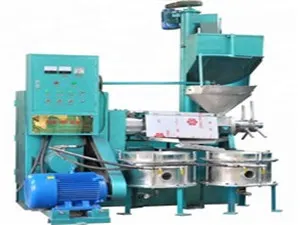
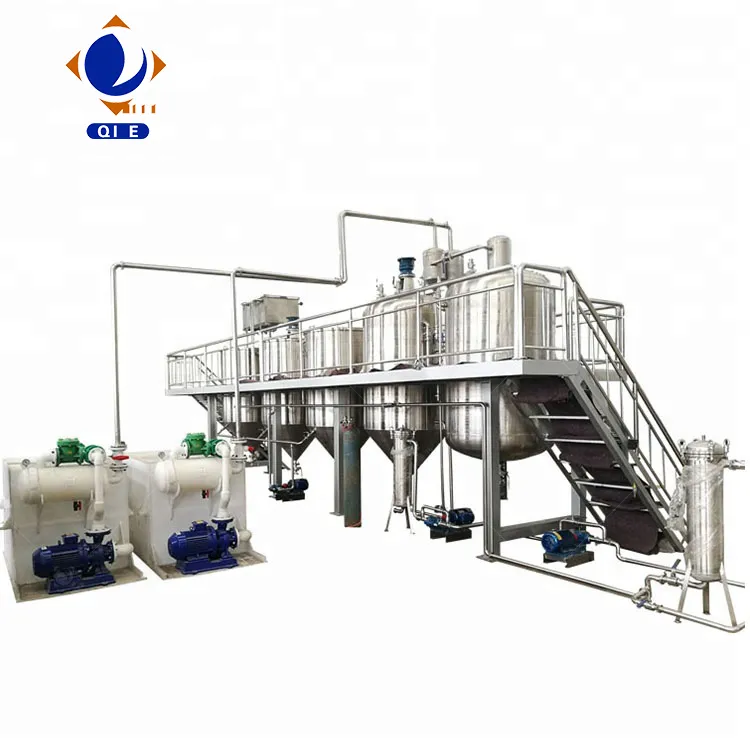
In the realm of B2B trade, small single - unit oil presses have become an essential piece of equipment for many businesses. Ensuring their long - term stable operation is crucial for continuous production and business success. This article aims to provide comprehensive guidance on the maintenance and troubleshooting of these oil presses, benefiting both technical and non - professional users.
Regular maintenance not only extends the service life of the oil press but also ensures high - efficiency production. According to industry statistics, well - maintained oil presses can have a 30% longer lifespan and a 20% increase in production efficiency compared to those without proper maintenance.
Cleaning is the first step in maintaining an oil press. The key parts such as the hopper, screw, and filter components need special attention. Remove the hopper and clean it thoroughly with a soft brush to prevent residue buildup. For the screw, use a cleaning agent to remove oil stains and debris. The filter components should be cleaned regularly to ensure smooth oil flow.
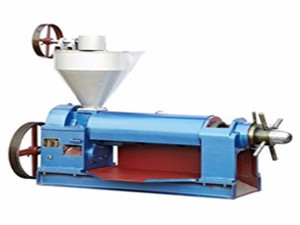
Proper lubrication reduces friction and wear of the oil press. Select high - quality lubricants according to the manufacturer's instructions. Based on experience, lubrication should be carried out at least once a week under normal operation conditions, which can effectively reduce mechanical wear and power consumption.
Identify the wearable parts of the oil press, such as filters, cloth strips, and seals. The filter should be replaced every 3 - 6 months depending on usage frequency. Cloth strips may need to be replaced every 2 - 3 months to ensure good filtering performance. For seals, check them regularly and replace them immediately if any leakage is found.
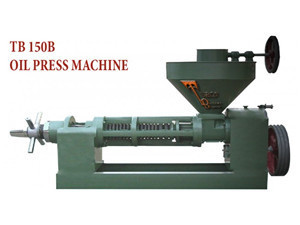
There are several common faults in oil presses. When the oil extraction efficiency drops, check for blockages in the feeding system or excessive wear of the screw. If the device makes abnormal noises, it may be due to loose parts or lack of lubrication. For abnormal temperature rise, it could be caused by poor heat dissipation or mechanical failure. This article provides step - by - step troubleshooting guides to help users quickly identify and resolve these problems.
Many successful cases have shown that proper maintenance can effectively reduce maintenance costs and ensure stable production. For example, a company in South America reduced its annual maintenance cost by 25% and increased its production stability by 35% after implementing a regular maintenance plan for its oil press.
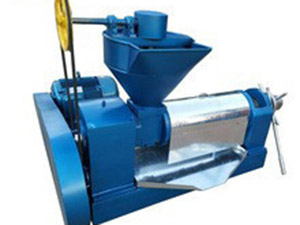
In conclusion, mastering the maintenance and troubleshooting skills of small single - unit oil presses is of great significance for businesses in the oil - making industry. We are committed to providing you with high - quality oil press products and professional after - sales support.
Learn more about our high - quality oil press products and professional after - sales support. Click here to get a customized solution.
 428
|
428
|
 plant oil refining equipment selection
high-temperature vacuum distillation advantages
automated edible oil refining
sunflower oil refining machinery
edible oil processing equipment customization
294
|
physical expeller press
cold press oil extraction
natural food oil processing
small scale oil press machine
oil press filtration system
163
|
small oil press maintenance
oil press troubleshooting
equipment longevity tips
oil press efficiency improvement
industrial machinery保养
360
|
edible oil winterization equipment
low temperature crystallization process
crystallization abnormality solutions
filtration efficiency improvement
residual wax control
395
|
protein raw material export
ISO 22000 certification
HACCP
export packaging compliance
supply chain management
plant oil refining equipment selection
high-temperature vacuum distillation advantages
automated edible oil refining
sunflower oil refining machinery
edible oil processing equipment customization
294
|
physical expeller press
cold press oil extraction
natural food oil processing
small scale oil press machine
oil press filtration system
163
|
small oil press maintenance
oil press troubleshooting
equipment longevity tips
oil press efficiency improvement
industrial machinery保养
360
|
edible oil winterization equipment
low temperature crystallization process
crystallization abnormality solutions
filtration efficiency improvement
residual wax control
395
|
protein raw material export
ISO 22000 certification
HACCP
export packaging compliance
supply chain management