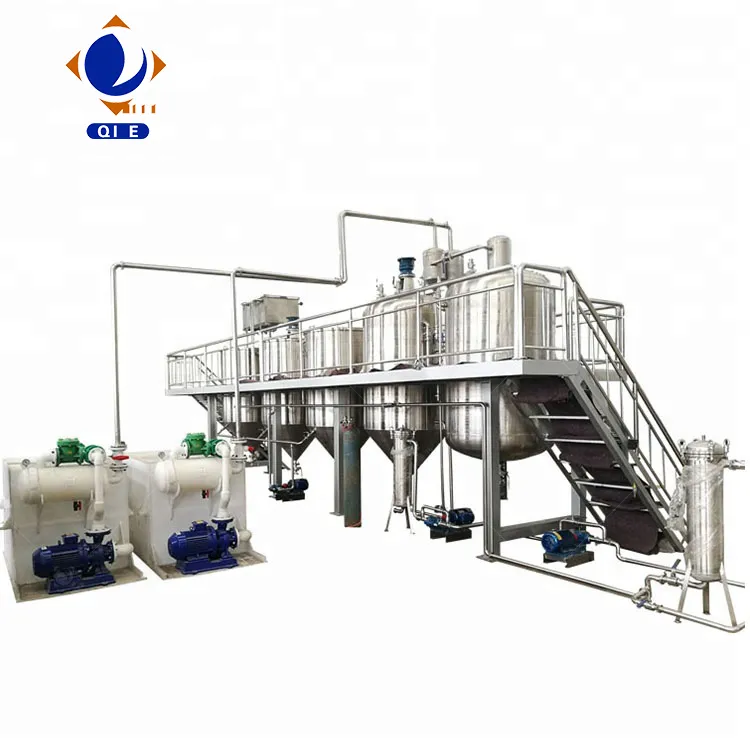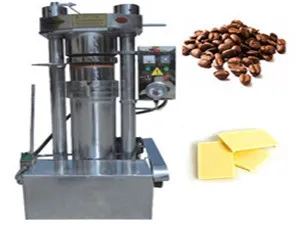
If your small oil press machine is producing less oil than usual—or worse, making strange noises—you’re not alone. In fact, over 65% of home-based and small-scale oil producers report at least one major issue per quarter due to poor maintenance or misdiagnosis.
Start by checking these three signs first:
These aren’t just symptoms—they’re clues. Here’s how to act fast:

A case study from Kenya shows how consistent maintenance made a huge difference. After implementing a weekly cleaning schedule and replacing filters monthly, a local family-run oil mill saw their yield increase from 1.2L/hr to 1.56L/hr—without any hardware upgrades.
This isn't magic—it's discipline. And it pays off in reduced downtime, better oil quality, and fewer emergency repairs.
Don’t fall into these traps:
Remember: a well-maintained machine lasts 3x longer than one treated casually. And that means lower long-term costs—even if you're running a side business from home.
Track each session—what you cleaned, when you changed parts, and how much oil you got. Over time, patterns emerge that help predict future issues.
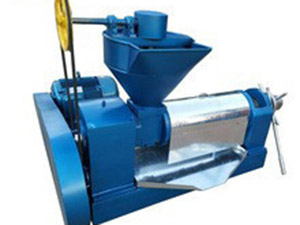
You don’t have to wait until something breaks to fix it. With smart habits and quick checks, you’ll keep your oil press running smoothly—and save money on replacements and lost production.
Explore our full range of durable, user-friendly small oil presses designed for farmers, artisans, and small processors worldwide.
See How Our Machines Improve Efficiency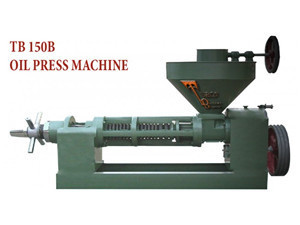
 405
|
405
|
 home oil press machine
physical oil extraction method
natural edible oil
screw press oil extractor
DIY kitchen oil
428
|
plant oil refining equipment selection
high-temperature vacuum distillation advantages
automated edible oil refining
sunflower oil refining machinery
edible oil processing equipment customization
358
|
edible oil winterization equipment
low temperature crystallization process
crystallization abnormality solutions
filtration efficiency improvement
residual wax control
395
|
protein raw material export
ISO 22000 certification
HACCP
export packaging compliance
supply chain management
452
|
Small oil press maintenance
Oil press common fault troubleshooting
Single - machine oil press usage skills
Oil press cleaning methods
Oil press service life extension
home oil press machine
physical oil extraction method
natural edible oil
screw press oil extractor
DIY kitchen oil
428
|
plant oil refining equipment selection
high-temperature vacuum distillation advantages
automated edible oil refining
sunflower oil refining machinery
edible oil processing equipment customization
358
|
edible oil winterization equipment
low temperature crystallization process
crystallization abnormality solutions
filtration efficiency improvement
residual wax control
395
|
protein raw material export
ISO 22000 certification
HACCP
export packaging compliance
supply chain management
452
|
Small oil press maintenance
Oil press common fault troubleshooting
Single - machine oil press usage skills
Oil press cleaning methods
Oil press service life extension