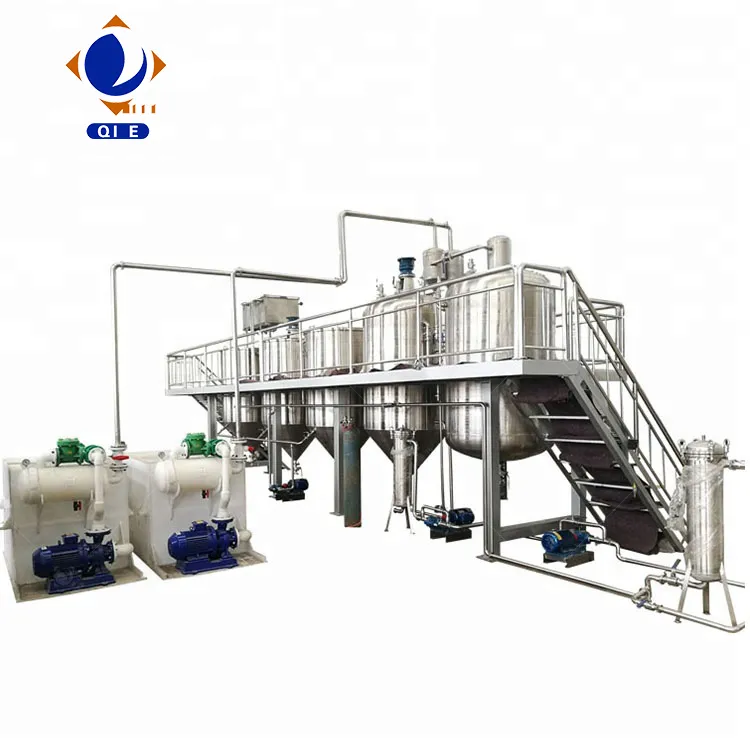
Maintaining your small oil press is not just a routine task; it's a strategic move to enhance production efficiency and extend the lifespan of your equipment. In this article, we'll walk you through the essential cleaning process and the replacement cycles of vulnerable parts, ensuring your oil press operates at its best.
Regular maintenance is the cornerstone of high - efficiency oil extraction and long - lasting equipment performance. A well - maintained oil press can reduce downtime, cut down on repair costs, and ultimately boost your productivity. By investing a little time in maintenance, you can ensure that your oil press runs smoothly, providing you with high - quality oil consistently.
Cleaning your small oil press is a straightforward process that can be broken down into several steps:
First, turn off the power and unplug the oil press. Carefully disassemble the removable parts, such as the hopper, the oil outlet, and the filtering components. This allows for a more thorough cleaning.
Use warm, soapy water to rinse the disassembled parts. For stubborn stains, you can use a soft brush to gently scrub. Make sure to clean all the nooks and crannies to remove any oil residue or debris.
After rinsing, dry the parts thoroughly with a clean cloth. Ensure that there is no moisture left, as this can lead to rust and corrosion.
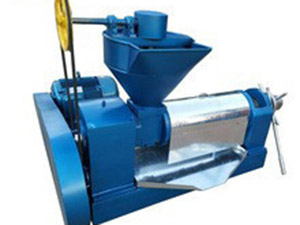
Identifying and replacing vulnerable parts at the right time is crucial for the proper functioning of your oil press. Here are some key vulnerable parts and their replacement cycles:
| Vulnerable Part | Replacement Cycle | Judgment Standard |
|---|---|---|
| Screw Rod | Every 6 - 12 months (depending on usage) | Signs of wear, such as reduced oil output or increased friction |
| Filter Screen | Every 3 - 6 months | Clogging, reduced oil flow |
| Cloth Strip | Every 2 - 4 months | Tear, loss of filtering ability |
Even with regular maintenance, your oil press may encounter some common problems. Here are some typical fault phenomena and their causes:
This could be due to a clogged filter screen, a worn screw rod, or improper feeding. Check these components and make the necessary adjustments.
Loud noises may indicate loose parts, misaligned components, or lack of lubrication. Inspect the oil press carefully and tighten any loose parts or add lubricant as needed.
Overheating can be caused by continuous operation for too long, a malfunctioning motor, or poor ventilation. Allow the oil press to rest, check the motor, and ensure proper ventilation.
.jpg)
Let's take a look at some real - world examples of how proper maintenance can improve output stability and customer satisfaction. One user reported that after following the recommended maintenance procedures, their oil press's oil output increased by 20%, and the frequency of breakdowns decreased significantly. Another user was able to reduce their repair costs by 30% by replacing vulnerable parts in a timely manner.
By mastering the cleaning process and vulnerable parts replacement cycles of your small oil press, you can ensure its reliable and efficient operation. If you want to learn more about our small oil presses or need customized maintenance solutions, don't hesitate to click here to consult our engineers. Let's work together to make your oil production more efficient!
 405
|
405
|
 home oil press machine
physical oil extraction method
natural edible oil
screw press oil extractor
DIY kitchen oil
322
|
small oil press troubleshooting
oil press efficiency problems
single screw oil press maintenance
oil press noise repair
home oil press maintenance
293
|
physical expeller press
cold press oil extraction
natural food oil processing
small scale oil press machine
oil press filtration system
358
|
edible oil winterization equipment
low temperature crystallization process
crystallization abnormality solutions
filtration efficiency improvement
residual wax control
452
|
Small oil press maintenance
Oil press common fault troubleshooting
Single - machine oil press usage skills
Oil press cleaning methods
Oil press service life extension
home oil press machine
physical oil extraction method
natural edible oil
screw press oil extractor
DIY kitchen oil
322
|
small oil press troubleshooting
oil press efficiency problems
single screw oil press maintenance
oil press noise repair
home oil press maintenance
293
|
physical expeller press
cold press oil extraction
natural food oil processing
small scale oil press machine
oil press filtration system
358
|
edible oil winterization equipment
low temperature crystallization process
crystallization abnormality solutions
filtration efficiency improvement
residual wax control
452
|
Small oil press maintenance
Oil press common fault troubleshooting
Single - machine oil press usage skills
Oil press cleaning methods
Oil press service life extension