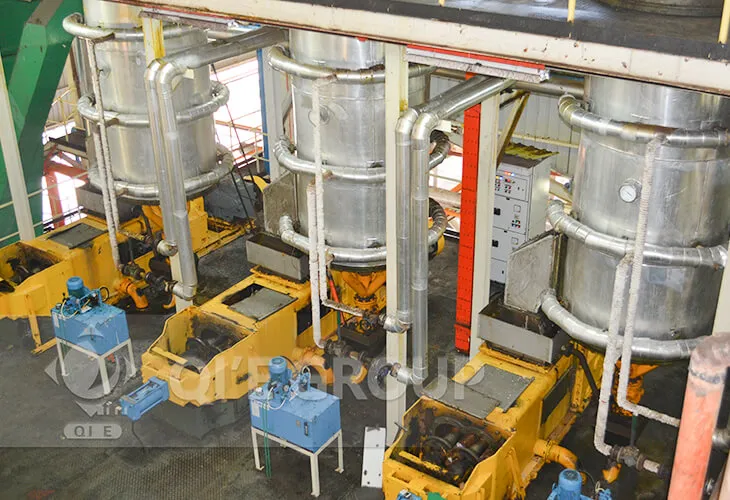
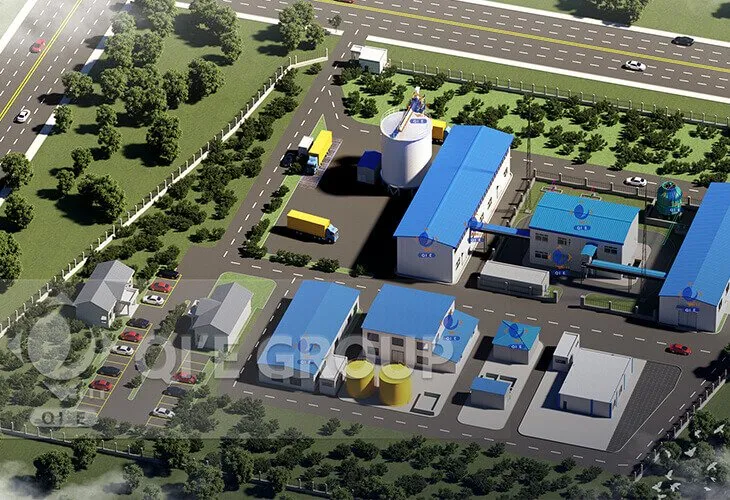
As a decision-maker in the global edible oil processing industry, navigating the complexities of plant oil refining equipment selection can be daunting. To streamline your investment and maximize production efficiency, it’s critical to focus on a set of core performance indicators that accurately reflect your factory’s needs and international compliance standards.
Your choice starts with capacity. Plant oil refining equipment often ranges from small-scale units processing 1–5 tons per hour to large industrial lines handling over 20 tons per hour. Over or under-sizing your equipment can cause unnecessary operational costs or bottlenecks.
| Factory Size | Recommended Capacity (tons/hour) | Typical Output (Metric Tons/Year) |
|---|---|---|
| Small-Scale Operation | 1 – 5 | 5,000 – 25,000 |
| Medium-Scale Plant | 6 – 15 | 30,000 – 75,000 |
| Large Industrial Facility | 16 – 25+ | 80,000+ |
Is your current facility capacity matching your production goals? Identifying this early avoids costly resizing later.
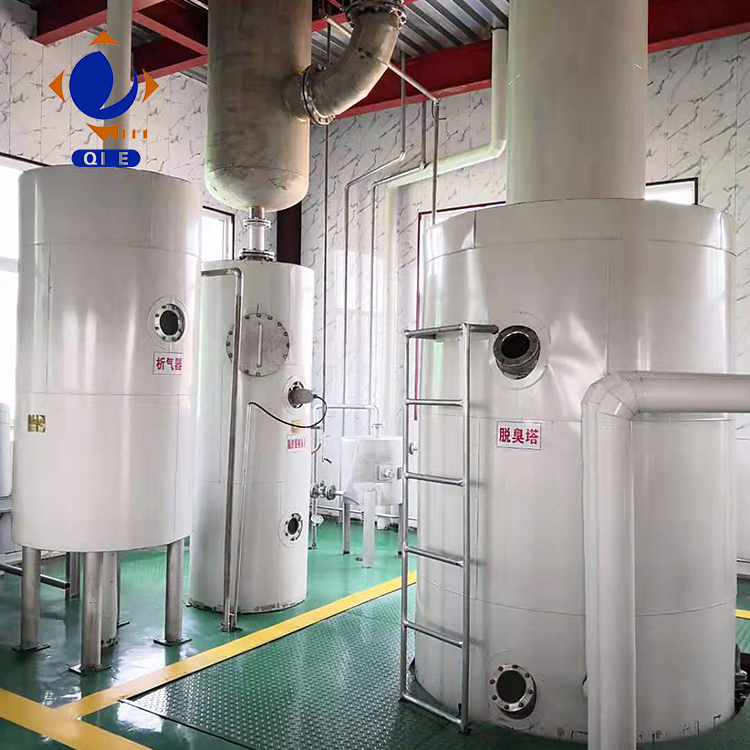
The core of oil refinement lies in efficient degumming, neutralization, bleaching, and deodorization. Advanced high-temperature vacuum distillation technology significantly enhances quality by:
Compared to conventional atmospheric distillation, vacuum technology operates under reduced pressure, lowering boiling points, and preserving oil integrity.
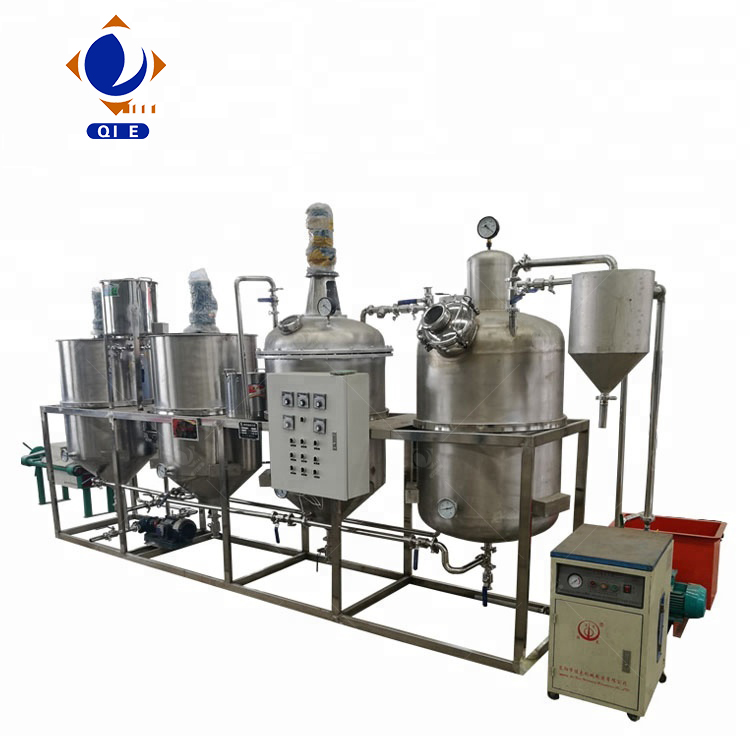
Modern plant oil refining equipment incorporates PLC-controlled automation that facilitates:
This level of control translates to reduced human error and consistent product quality — essential when targeting premium export markets.
HACCP (Hazard Analysis and Critical Control Points) demands rigorous identification and control of food safety hazards, while ISO 9001 ensures systematic quality management across manufacturing. Your refining equipment must enable compliance by design, such as hygienic construction and traceability features.
Adhering to these standards not only guarantees safety and quality but also unlocks trust with discerning international buyers.

Different raw materials such as sunflower seeds, soybean, or rapeseed require tailored refining processes. Equipment customization might include:
Consult suppliers about available customization packages to align equipment capabilities with your specific oil types and market standards.
Integrated energy-saving designs such as heat recovery systems and optimized vacuum pumps can reduce energy consumption by 15–25%. For high-volume production, this translates into substantial cost savings and reduced carbon footprint — factors increasingly emphasized by international clients.
Evaluate equipment efficiency through key metrics, such as kilowatt-hours per ton of oil processed, provided by manufacturers.
Your factory size and product mix matter — explore tailored configurations for optimal efficiency.
 357
|
357
|
 edible oil winterization equipment
low temperature crystallization process
crystallization abnormality solutions
filtration efficiency improvement
residual wax control
395
|
protein raw material export
ISO 22000 certification
HACCP
export packaging compliance
supply chain management
edible oil winterization equipment
low temperature crystallization process
crystallization abnormality solutions
filtration efficiency improvement
residual wax control
395
|
protein raw material export
ISO 22000 certification
HACCP
export packaging compliance
supply chain management