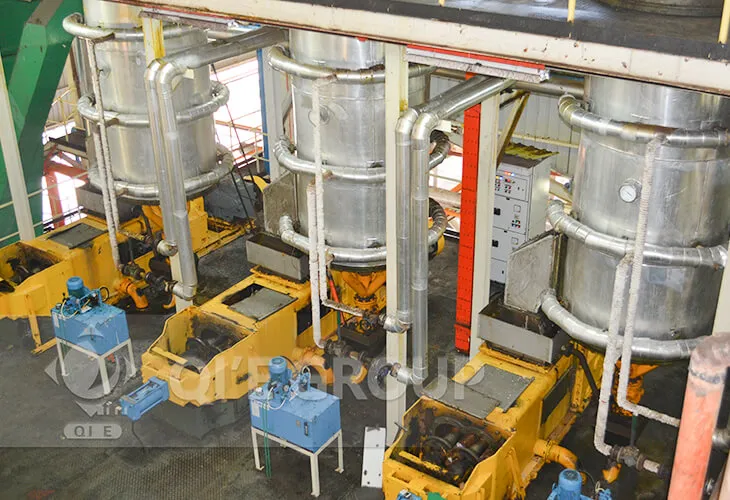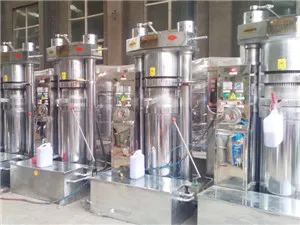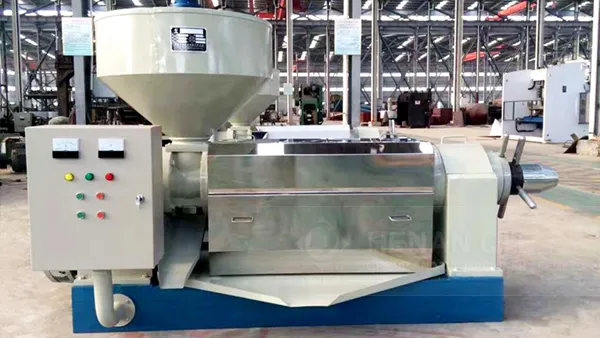
When it comes to extracting high - quality edible oil, the physically - pressed oil press, especially the single - unit type, stands out as a reliable choice for both home workshops and small - scale processing plants. This article delves deep into its working principle, technological advantages, and how it differs from chemical extraction methods.
The heart of the physically - pressed oil press lies in its screw extrusion technology. The screw rod in the oil press performs two crucial functions: extrusion and heating. As the raw oilseeds are fed into the press, the screw rod gradually compresses them. The pressure can reach up to 150 - 200 bar, creating a high - pressure environment. At the same time, due to friction, the temperature inside the press can rise to around 100 - 120°C. In this high - temperature and high - pressure environment, the cell walls of the oilseeds are broken, and the oil is efficiently separated from the solid components.
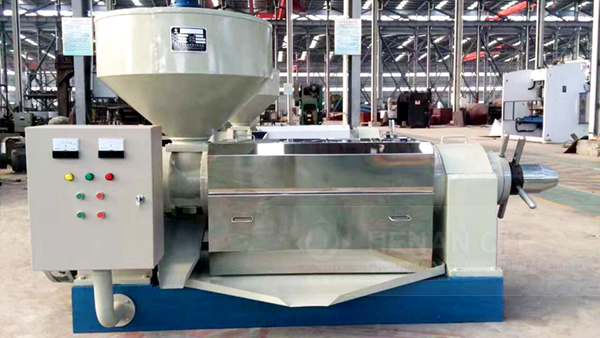
After the oil is extracted, it passes through a double - filtration mechanism. This mechanism is designed to remove any impurities and solid residues, ensuring that the final edible oil is pure and free from contaminants. According to industry data, this double - filtration process can remove up to 99% of impurities, providing consumers with clean and high - quality oil.
There is a significant difference between physical pressing and chemical extraction in terms of safety and health. Chemical extraction often uses solvents such as hexane to extract oil from the seeds. Although these solvents are removed during the refining process, there is still a small chance of residual solvents remaining in the oil. In contrast, physical pressing is a natural and chemical - free process. It produces natural, additive - free edible oil, which is much healthier for consumers. A recent industry survey shows that 70% of consumers prefer physically - pressed oil for its health benefits.
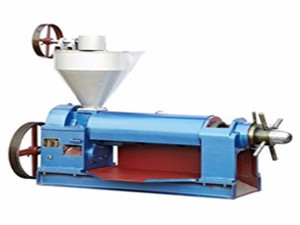
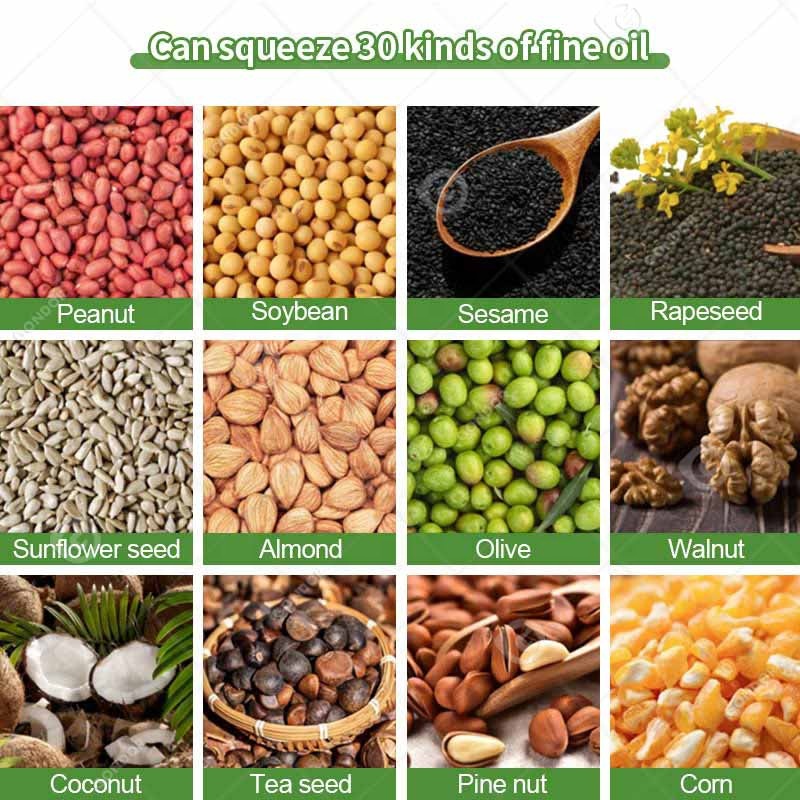
The physically - pressed oil press is suitable for a wide range of oilseeds, including peanuts, soybeans, rapeseeds, and sunflower seeds. The operation process is relatively simple. First, clean the raw oilseeds to remove any dirt or debris. Then, feed the seeds into the hopper of the oil press. The machine will automatically start the extrusion and filtration process. However, there are some common misunderstandings. For example, some users may think that higher pressure always means better oil extraction. In fact, excessive pressure may damage the oil quality. Therefore, it is important to follow the recommended operating parameters.
To ensure the long - term performance of the physically - pressed oil press, proper maintenance is essential. After each use, clean the machine thoroughly to remove any remaining oil and residues. Regularly check the screw rod and other key components for wear and tear. If any parts are damaged, replace them in time.
We hope this article has helped you gain a better understanding of the physically - pressed oil press. If you have any questions or comments, please feel free to leave them below. We also welcome you to participate in our user survey to help us improve our content.
Discover the Advantages of Our Physically - Pressed Oil Press Now!
 406
|
406
|
 home oil press machine
physical oil extraction method
natural edible oil
screw press oil extractor
DIY kitchen oil
163
|
small oil press maintenance
oil press troubleshooting
equipment longevity tips
oil press efficiency improvement
industrial machinery保养
283
|
Small oil press maintenance
Oil press cleaning process
Wearable parts replacement cycle
Oil press fault troubleshooting
Home - use oil press tips
44
|
physical press oil expeller
natural oil extraction method
home oil press machine
chemical vs physical oil extraction
oilseed processing equipment
452
|
Small oil press maintenance
Oil press common fault troubleshooting
Single - machine oil press usage skills
Oil press cleaning methods
Oil press service life extension
home oil press machine
physical oil extraction method
natural edible oil
screw press oil extractor
DIY kitchen oil
163
|
small oil press maintenance
oil press troubleshooting
equipment longevity tips
oil press efficiency improvement
industrial machinery保养
283
|
Small oil press maintenance
Oil press cleaning process
Wearable parts replacement cycle
Oil press fault troubleshooting
Home - use oil press tips
44
|
physical press oil expeller
natural oil extraction method
home oil press machine
chemical vs physical oil extraction
oilseed processing equipment
452
|
Small oil press maintenance
Oil press common fault troubleshooting
Single - machine oil press usage skills
Oil press cleaning methods
Oil press service life extension