Industry Insight: According to the International Association of Edible Oil Manufacturers, optimizing extraction parameters can increase oil yield by 3-7% while reducing solvent consumption by up to 15%. For a中型 oil processing plant, this translates to annual savings of $120,000-$350,000 depending on production scale.
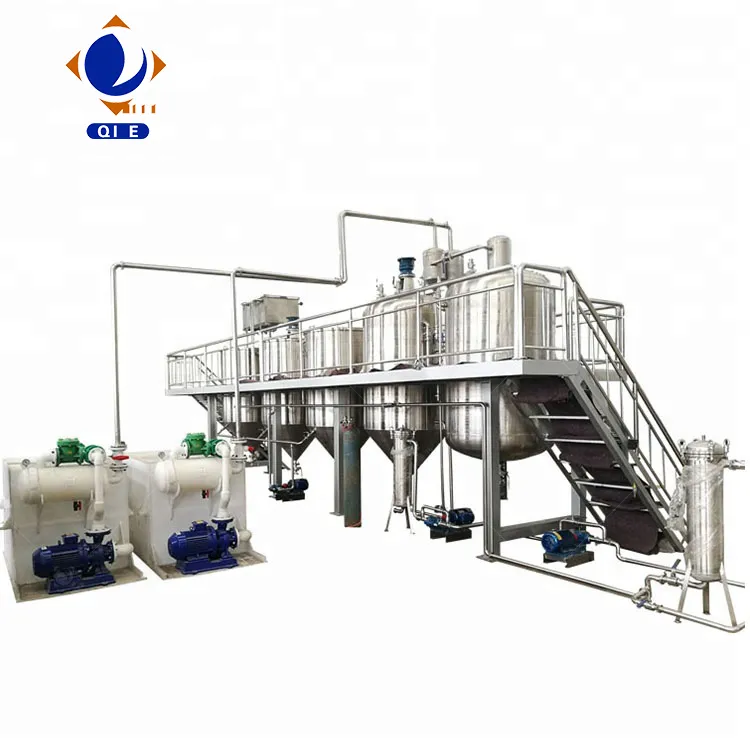
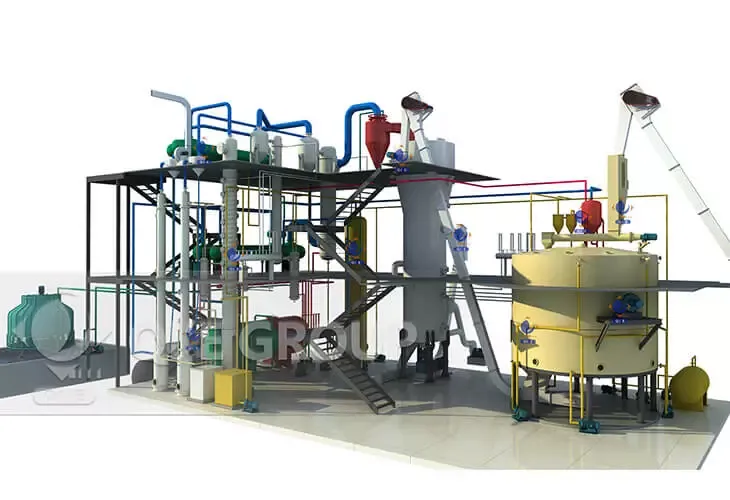
In the competitive landscape of edible oil production, maximizing oil recovery while maintaining product quality has become the cornerstone of operational excellence. Oil extraction, the pivotal stage where oil is separated from oilseeds, directly impacts both profitability and sustainability. Penguin Group's decades of experience in oil processing systems have shown that precise parameter control can transform an average-performing facility into an industry leader.
Modern extraction plants face the dual challenge of increasing production efficiency and meeting stringent environmental regulations. The extraction process, when optimized, not only enhances oil yield but also reduces energy consumption, minimizes solvent usage, and improves overall process sustainability.
The duration of the extraction process directly affects oil recovery rates. Research indicates that optimal extraction time typically ranges from 60 to 120 minutes, depending on oilseed type and preprocessing methods.
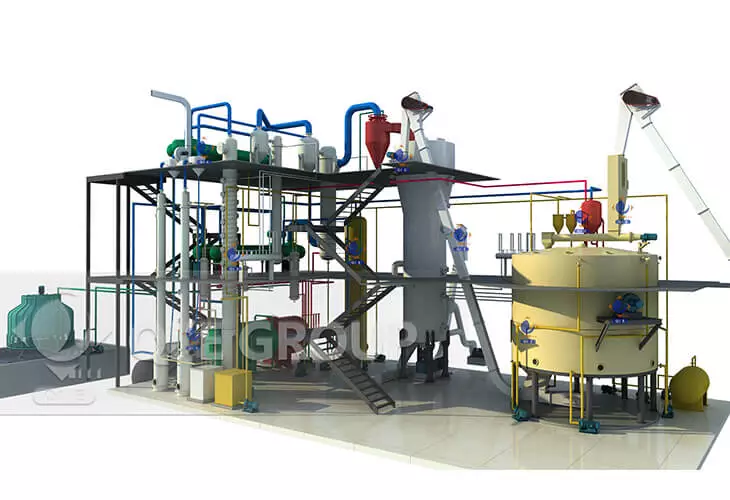
The ratio of solvent to solid material (typically hexane in commercial operations) is a critical factor in extraction efficiency. The ideal ratio varies by oilseed type but generally falls between 1.5:1 to 3:1.
Case Study: A European sunflower processing plant reduced solvent consumption by 12% while increasing yield by 4.2% after optimizing their solvent-to-solid ratio from 2.8:1 to 2.3:1 through Penguin Group's parameter optimization program.
Extraction temperature significantly impacts both oil solubility and solvent volatility. Most oilseeds achieve optimal extraction between 45°C and 55°C. Temperature deviations outside this range can lead to:
Reduced oil solubility leading to 2-3% lower yield and increased solvent retention in meal
Increased energy costs, potential oil quality degradation, and higher solvent losses
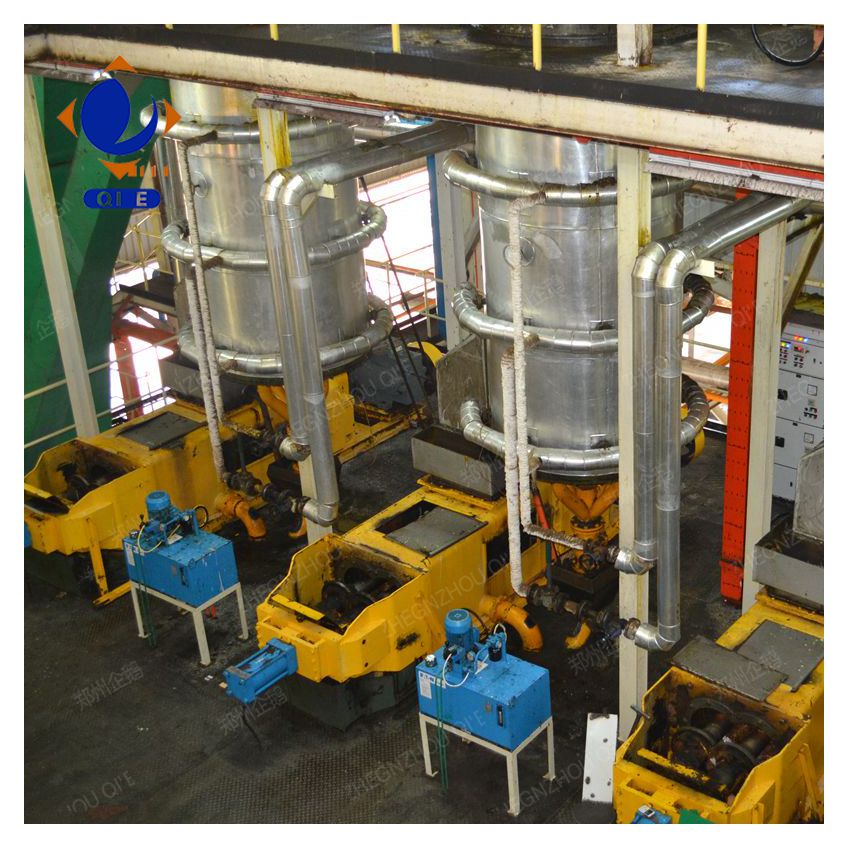
Beyond the basic parameters, the efficiency of solid-liquid contact determines how effectively solvent penetrates the seed matrix. Factors such as bed height, agitation rate, and material particle size distribution play crucial roles:
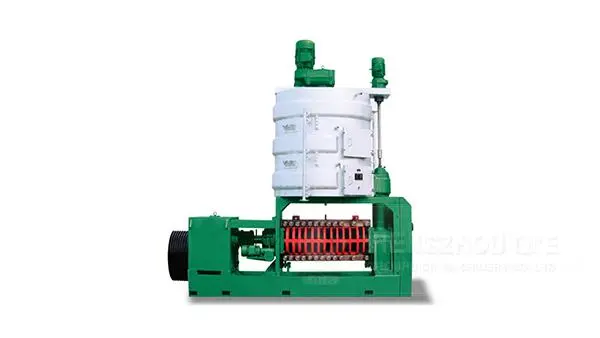
Even with optimal parameter settings, equipment performance degradation can lead to efficiency losses over time. Implementing a proactive maintenance schedule can prevent yield reductions of 5-8% that typically occur with neglected extraction systems.
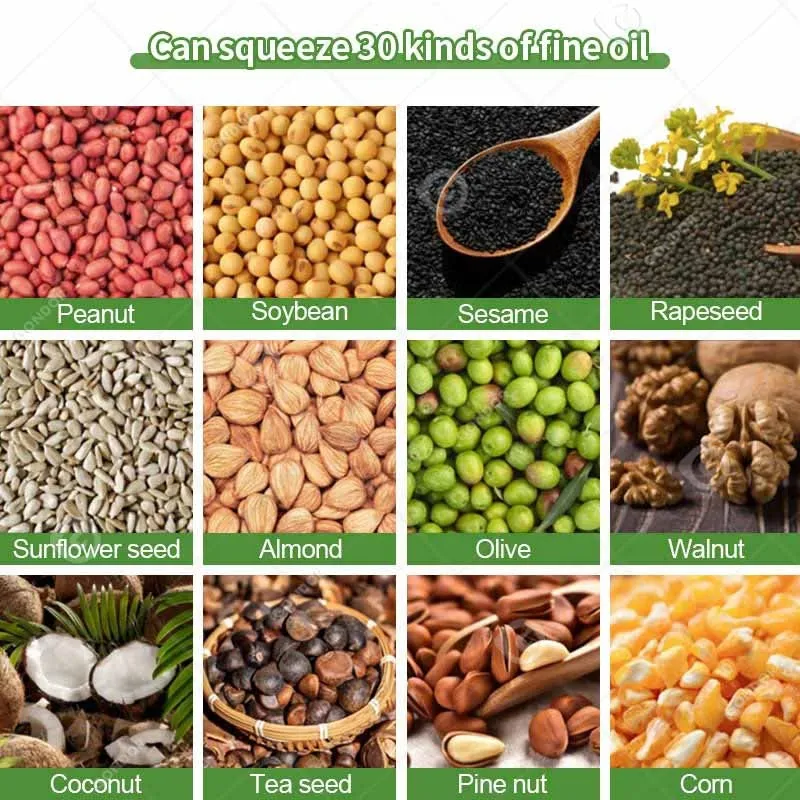
Different oilseeds present unique challenges that require tailored extraction approaches. Penguin Group's expertise across various oilseed types has identified optimal parameter sets for common commodities:
| Oilseed Type | Optimal Temperature | Solvent Ratio | Extraction Time |
|---|---|---|---|
| Soybean | 48-52°C | 2.0:1 - 2.3:1 | 70-90 min |
| Sunflower | 50-55°C | 2.2:1 - 2.5:1 | 90-120 min |
| Rapeseed | 45-50°C | 1.8:1 - 2.2:1 | 60-80 min |
| Palm Kernel | 52-58°C | 2.5:1 - 3.0:1 | 80-110 min |
Many processing facilities struggle with suboptimal performance due to generic parameter settings that don't account for their specific oilseed characteristics, equipment configuration, and production goals. A one-size-fits-all approach often leaves significant efficiency gains untapped.
Discover how Penguin Group's customized extraction process optimization can increase your oil yield by 3-7% while reducing operational costs.
Get Your Personalized Extraction Optimization AssessmentSuccessful extraction optimization requires a systematic approach that combines precise parameter control, regular maintenance, and continuous monitoring. By implementing the strategies outlined above, oil processing facilities can achieve significant improvements in yield, quality, and sustainability. The key is to view extraction not as a static process but as a dynamic system that responds to changes in raw materials, equipment condition, and market demands.
As the global demand for edible oils continues to rise, the margin between industry leaders and followers will be determined by their ability to extract maximum value from every ton of oilseeds processed. With the right expertise and approach, even modest investments in process optimization can deliver substantial returns that strengthen competitiveness in an increasingly challenging market.
 234
|
234
|
 Home single-unit oil press
Single-unit oil press selection
Suitable oils
Oil press processing capacity
Home oil press operation
301
|
physical expeller press
cold press oil extraction
natural food oil processing
small scale oil press machine
oil press filtration system
163
|
small oil press maintenance
oil press troubleshooting
equipment longevity tips
oil press efficiency improvement
industrial machinery保养
365
|
edible oil winterization equipment
low temperature crystallization process
crystallization abnormality solutions
filtration efficiency improvement
residual wax control
189
|
Small oil press maintenance
Oil press troubleshooting
Single - unit oil press maintenance
Oil extraction equipment cleaning
Oil press repair skills
Home single-unit oil press
Single-unit oil press selection
Suitable oils
Oil press processing capacity
Home oil press operation
301
|
physical expeller press
cold press oil extraction
natural food oil processing
small scale oil press machine
oil press filtration system
163
|
small oil press maintenance
oil press troubleshooting
equipment longevity tips
oil press efficiency improvement
industrial machinery保养
365
|
edible oil winterization equipment
low temperature crystallization process
crystallization abnormality solutions
filtration efficiency improvement
residual wax control
189
|
Small oil press maintenance
Oil press troubleshooting
Single - unit oil press maintenance
Oil extraction equipment cleaning
Oil press repair skills