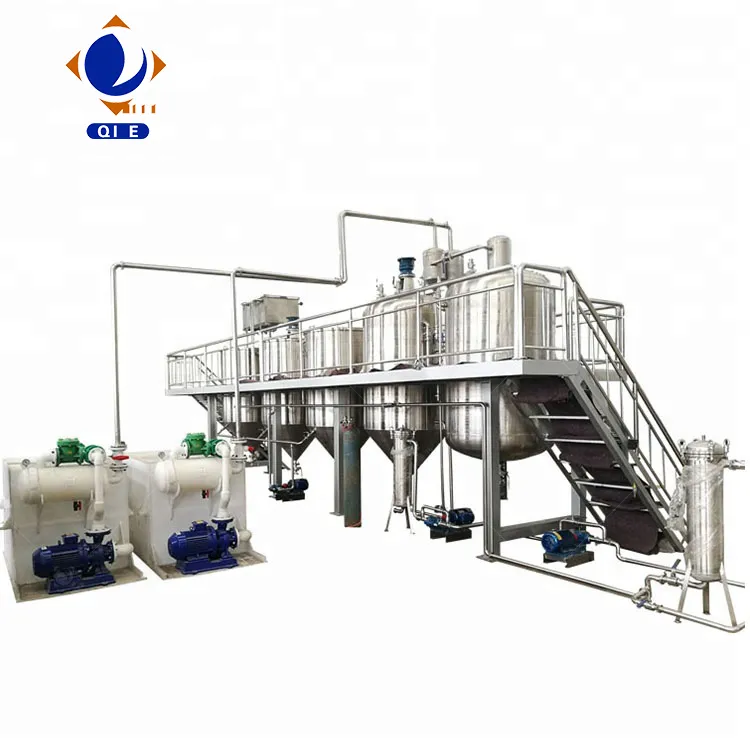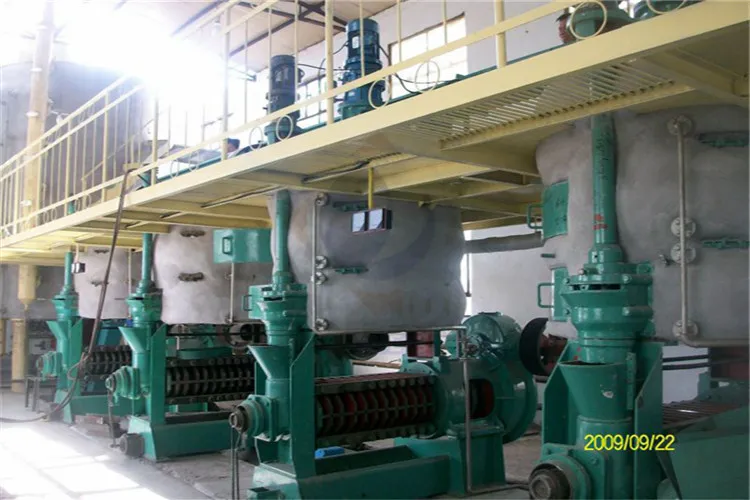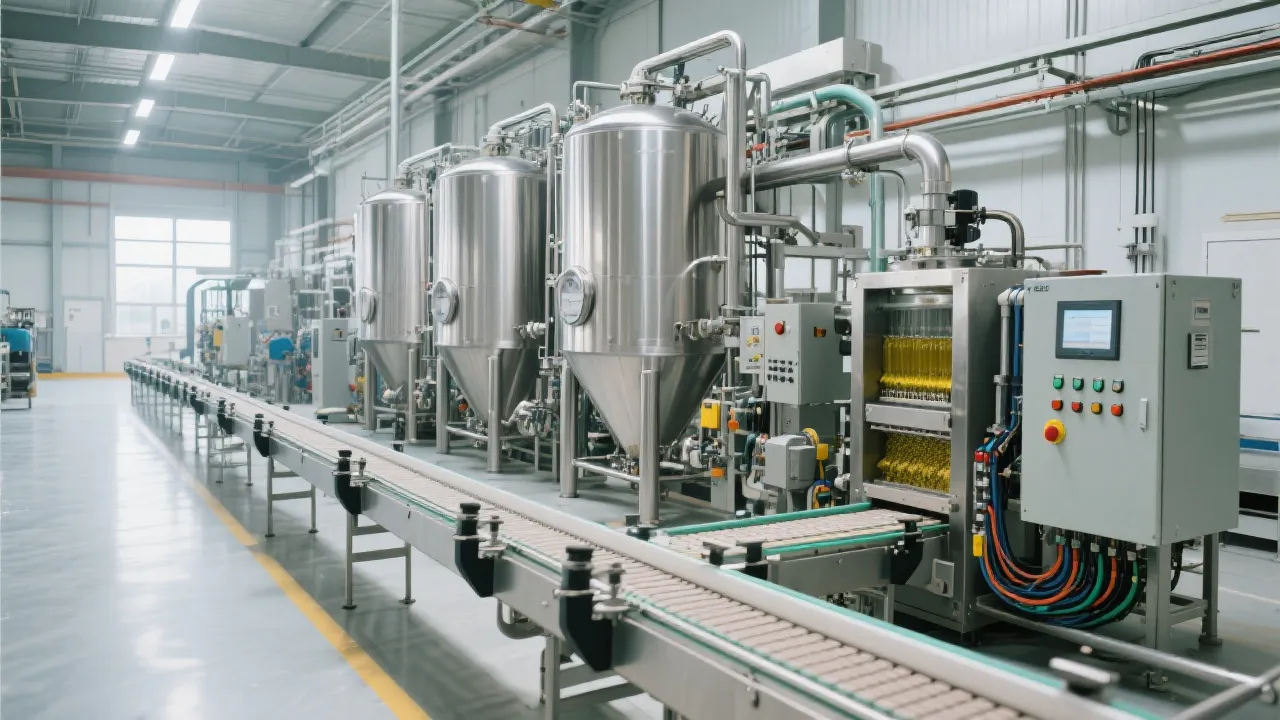
In the edible oil processing industry, selecting the right solvent extraction oil press machine is crucial for achieving optimal production efficiency and cost control. This article explores the critical technical parameters that influence machine performance, offering practical insights for businesses of all sizes. By understanding how specifications, capacity, energy consumption, and automation levels interact, operators can make informed decisions that align with their production goals and budget constraints.
The performance of a solvent extraction oil press machine is determined by several interrelated technical parameters. These specifications not only define the machine's capabilities but also directly impact operational costs and output quality.
| Parameter | Small-Scale (5-10 TPD) | Medium-Scale (20-50 TPD) | Large-Scale (100+ TPD) |
|---|---|---|---|
| Processing Capacity | 5-10 tons/day | 20-50 tons/day | 100-500 tons/day |
| Energy Consumption | 80-120 kWh/ton | 60-90 kWh/ton | 40-70 kWh/ton |
| Solvent Recovery Rate | 95-97% | 97-98.5% | 98.5-99.5% |
| Automation Level | Basic PLC control | Advanced PLC with HMI | Fully automated with SCADA |
Each technical parameter plays a distinct role in determining overall production efficiency. Processing capacity directly influences output volume, while energy consumption affects operational costs. A 10% reduction in energy consumption can translate to approximately 5-8% lower production costs annually, depending on local energy prices.

The solvent recovery system represents another critical parameter. Modern machines like those offered by 企鹅集团 (Penguin Group) typically achieve recovery rates above 98%, significantly reducing solvent costs and environmental impact. For a medium-scale operation processing 30 tons/day, improving solvent recovery from 95% to 98% can save approximately $15,000-25,000 annually in solvent expenses.
Selecting the right equipment requires matching technical parameters to specific production needs. Small-scale operations (5-10 TPD) should prioritize equipment with lower initial investment and flexible operation, while large-scale facilities need to focus on energy efficiency and automation to handle high volumes cost-effectively.
A mid-sized edible oil processor in Southeast Asia recently upgraded their solvent extraction line by adjusting key parameters: increasing solvent recovery rate from 96% to 98.5% and implementing partial automation. The results included:
"The parameter optimization not only improved our bottom line but also enhanced product quality consistency," reported the plant manager.
Proper maintenance is critical for preserving machine performance and extending equipment lifespan. Regular cleaning of extraction chambers, calibration of temperature sensors, and inspection of solvent recovery systems are essential tasks that prevent costly downtime.
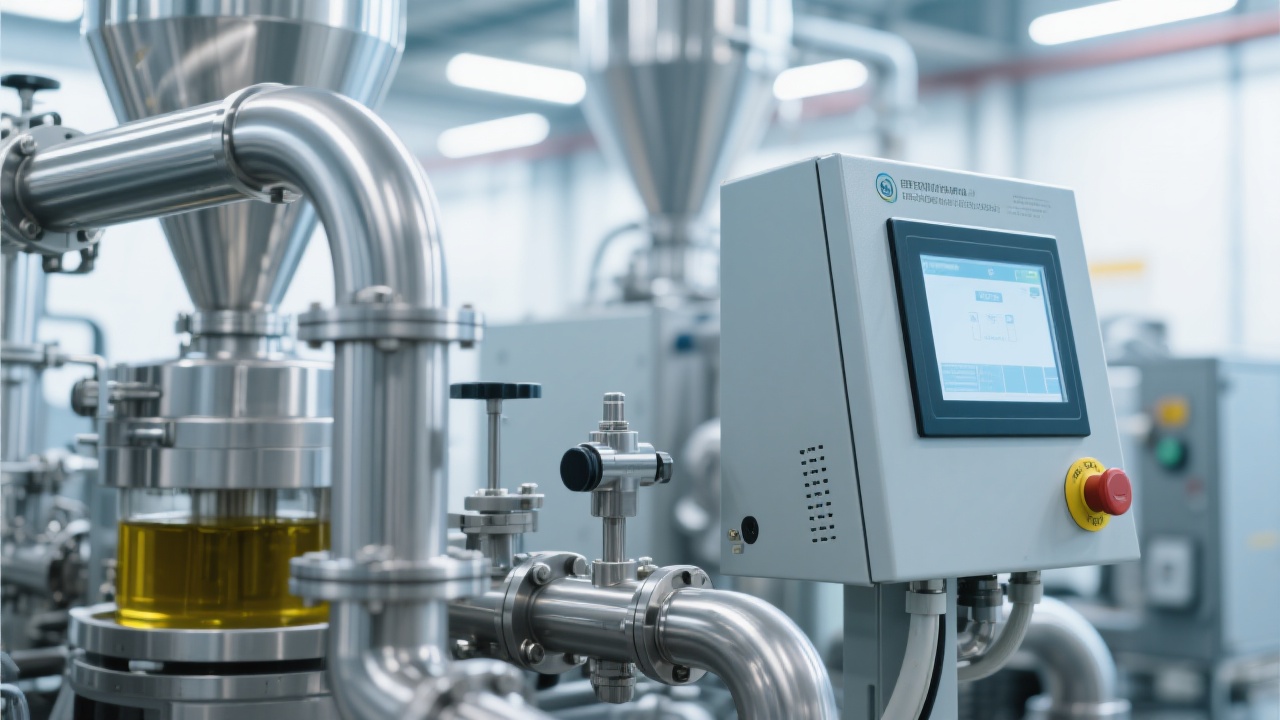
Implementing a preventive maintenance schedule can reduce equipment故障率 (failure rate) by up to 40% and extend machine life by 3-5 years. Key maintenance activities include:
Safety is paramount when operating solvent extraction equipment. Proper ventilation, gas detection systems, and emergency shutdown protocols are essential for protecting workers and preventing accidents. Operators should receive regular training on handling flammable solvents and responding to potential emergencies.
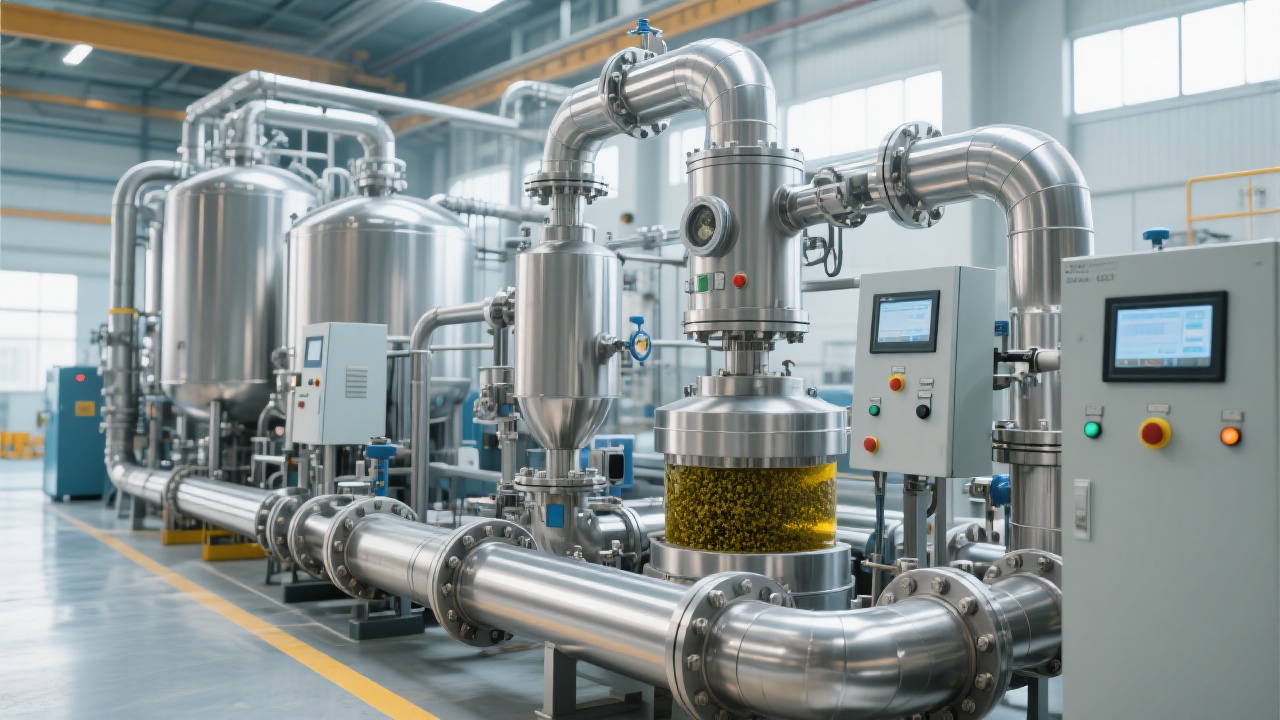
Modern equipment incorporates multiple safety features, including automatic fire suppression systems, pressure relief valves, and interlock mechanisms that prevent operation when safety conditions are not met. Regular safety audits and equipment inspections help maintain these critical systems in optimal condition.
Get personalized technical advice and equipment recommendations tailored to your specific production requirements. Our team of experts can help you select the ideal solvent extraction solution that balances performance, efficiency, and cost-effectiveness.
Consult Our Solvent Extraction SpecialistsAs the edible oil industry continues to evolve, staying informed about technical advancements and best practices is key to maintaining competitiveness. By focusing on the right technical parameters, implementing proper maintenance protocols, and following safety guidelines, operators can achieve consistent, efficient production while minimizing costs and environmental impact.
 163
|
163
|
 small oil press maintenance
oil press troubleshooting
equipment longevity tips
oil press efficiency improvement
industrial machinery保养
365
|
edible oil winterization equipment
low temperature crystallization process
crystallization abnormality solutions
filtration efficiency improvement
residual wax control
44
|
physical press oil expeller
natural oil extraction method
home oil press machine
chemical vs physical oil extraction
oilseed processing equipment
397
|
protein raw material export
ISO 22000 certification
HACCP
export packaging compliance
supply chain management
444
|
leaching oil press
oil press equipment selection
processing capacity
automation
solvent recovery system
small oil press maintenance
oil press troubleshooting
equipment longevity tips
oil press efficiency improvement
industrial machinery保养
365
|
edible oil winterization equipment
low temperature crystallization process
crystallization abnormality solutions
filtration efficiency improvement
residual wax control
44
|
physical press oil expeller
natural oil extraction method
home oil press machine
chemical vs physical oil extraction
oilseed processing equipment
397
|
protein raw material export
ISO 22000 certification
HACCP
export packaging compliance
supply chain management
444
|
leaching oil press
oil press equipment selection
processing capacity
automation
solvent recovery system