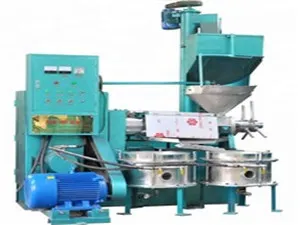
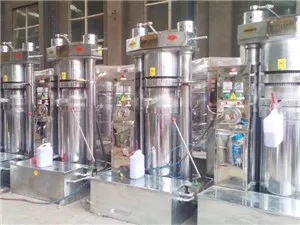
Cold Press Oil Processing Investment Guide
Selecting a cold press oil machine for more than one seed requires more than comparing equipment prices. Buyers and investors should assess raw-material compatibility, local market demand, oil quality requirements, energy consumption, automation, labor, maintenance, and long-term operating stability. Qi'e Grain and Oil Machinery Co., Ltd. supports cold press oil processing projects with equipment, plant design, installation, and technical services, helping customers evaluate a project according to its actual production conditions.
A cold press oil machine separates oil from prepared oilseeds through physical pressing at a relatively low temperature. Unlike processes that depend on heating or chemical solvents, cold pressing is designed to retain more of the oil’s natural characteristics, including sensitive components such as vitamin E and polyphenols, subject to the raw material, processing conditions, and subsequent handling.
The main trade-off is important for investment evaluation: cold pressing can produce high-quality edible oil with a natural taste, but its oil yield may be comparatively lower and its production cost may be higher than other extraction approaches. Equipment selection should therefore be based on the intended product positioning and operating model rather than on a single performance claim.
Confirm whether the machine is suitable for the seeds and nuts available in the target market. Different raw materials may require different preparation, feeding, pressing, and cleaning conditions. Compatibility should be verified through technical specifications and, where possible, trial pressing.
Evaluate local demand for cold pressed oil, the preferred seed varieties, expected product quality, packaging requirements, and the customer segments to be served. A machine may be technically capable while the business model still depends on suitable demand and reliable raw-material supply.
Unit energy consumption should be considered together with capacity, operating hours, raw-material preparation, labor, filtration, packaging, and maintenance. Buyers should request equipment-specific information instead of applying generalized energy or cost assumptions.
Review the degree of automation required for feeding, pressing, monitoring, filtering, cleaning, and production records. The appropriate level depends on the plant scale, available operators, local technical skills, and the desired level of process control.
Assess access to wear parts, cleaning procedures, technical documentation, operator training, troubleshooting support, and response arrangements. A clear service plan can help reduce avoidable downtime and support consistent operation.
Consider whether the selected configuration can operate consistently under the expected raw-material conditions and production schedule. Stability should be assessed through specifications, process discussions, and trial results rather than assumed from machine naming or advertised capacity alone.
A sound investment review should compare the complete processing system, not only the purchase price of the press. The following structure can help organize discussions with equipment suppliers and project partners:
| Evaluation area | Questions for buyers and investors |
|---|---|
| Raw materials | Which seeds will be processed, in what proportions, and with what seasonal availability? |
| Product requirements | What oil quality, taste, appearance, filtration, and packaging requirements apply to the target market? |
| Production conditions | What capacity, working hours, power conditions, floor space, and operator resources are available? |
| Total operating cost | How do energy, labor, maintenance, raw materials, filtration, packaging, and other operating expenses affect the project? |
| Validation basis | Which values are supported by specifications or trial results, and which remain estimates requiring confirmation? |
The performance of a cold press oil machine can vary with seed type, moisture, cleanliness, preparation, feeding conditions, and operating adjustments. For a multi-seed project, trial pressing is a practical way to examine oil output, residual oil in the cake, oil appearance, processing behavior, and operating requirements for the intended raw materials. Actual project decisions should be based on relevant equipment specifications and test results rather than assumed payback periods, profitability, or universal yield figures.
Qi'e Grain and Oil Machinery Co., Ltd. is a professional grain and oil machinery company engaged in equipment research and development, manufacturing, sales, and service. Its product scope includes oil pressing equipment, oil production line equipment, and edible oil refining equipment. For customers evaluating a cold press oil project, the company can support equipment selection together with plant design, installation, and technical services.
The appropriate cold press oil machine depends on the specific seeds, production scale, product requirements, and local operating environment. A clear technical evaluation and realistic investment model provide a stronger basis for selecting equipment and planning a sustainable edible oil processing operation.
For project evaluation: prepare information about the intended seeds, target capacity, desired oil quality, site conditions, automation expectations, and local service requirements. These details allow the equipment configuration and trial requirements to be assessed more accurately.
 102
|
 Qi'e Grain and Oil Machinery grain and oil processing equipment oil pressing equipment edible oil production line oil refining equipment
165
|
grain and oil machinery industry efficiency and environmental protection automation upgrade technological innovation Qi'e Grain and Oil Machinery Co., Ltd.
91
|
overseas edible oil project oil mill construction production line installation grain and oil machinery export Qi'e Grain and Oil Machinery Co., Ltd.
428
|
Qi'e Grain and Oil Machinery Co., Ltd. grain and oil machinery turnkey solutions oil pressing equipment oil production lines edible oil refining equipment
181
|
grain and oil processing machinery oil pressing equipment edible oil production line oil refining equipment overall solution Qi'e Grain and Oil Machinery Co., Ltd.