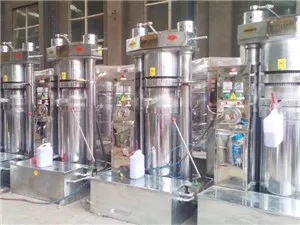
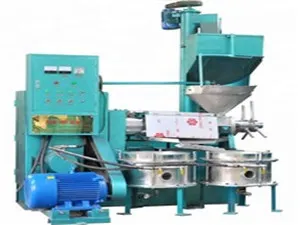
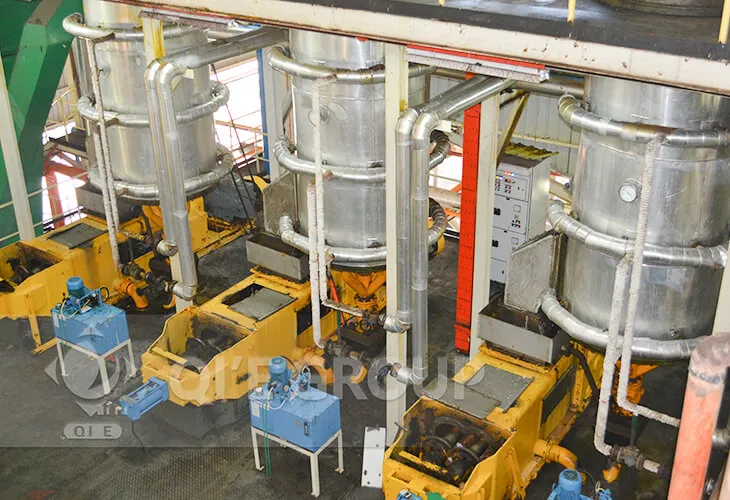
Selecting an integrated automatic oil press requires more than comparing headline capacity or purchase price. Small and medium-sized oil mills should evaluate the complete process, including raw material suitability, pressing performance, automatic filtration, labor requirements, available space, energy use, maintenance, and regional market conditions. Qi’e Grain and Oil Machinery Co., Ltd. provides oil pressing equipment and processing solutions to help buyers assess these factors before making an investment decision.
Qi’e’s fully automatic oil press combines screw pressing with an integrated filtration system. During operation, prepared oilseeds enter the hopper and are conveyed into the pressing chamber by a forced feeding device. The screw shaft gradually compresses the material, allowing oil to separate from the oilseed cake. The extracted crude oil is then processed through the machine’s filtration system.
By performing pressing and filtration in a coordinated process, the equipment is intended to simplify operation and reduce the need for separate manual filtration steps. The automatic filtration function is designed to improve the handling and appearance of pressed oil; it should not be understood as a replacement for a complete edible oil refining line when processes such as degumming, deacidification, decolorization, deodorization, or other refining stages are required.
Confirm that the selected configuration is suitable for the intended oilseeds, such as peanuts, soybeans, rapeseed, sesame, and sunflower seeds. Seed variety, moisture, cleanliness, particle size, and pre-treatment can affect pressing results.
Review the filtration method, oil temperature, filtration pressure, cleaning procedure, and expected oil quality. Automatic filtration supports process convenience, but the required oil quality should be defined before equipment selection.
The automatic feeding and filtration design can help simplify routine operation. The supplied product information indicates that approximately 10–20 square meters may meet the basic space needs for small-scale production, subject to the actual layout and auxiliary equipment.
A suitable machine should match local oilseed availability, consumer preferences, electricity conditions, labor costs, food-safety requirements, service access, and the intended production scale in the target region.
| Evaluation area | Product information | What buyers should verify |
|---|---|---|
| Oilseed range | Peanuts, soybeans, rapeseed, sesame, sunflower seeds, and other oil crops | Whether the selected model and preparation method match the customer’s actual crops |
| Filtration | Integrated automatic filtration using filtration pressure, controlled crude-oil temperature, and oil guide technology | Required clarity, filtration frequency, cleaning method, and whether further refining is needed |
| Operation | Automatic feeding supports continuous and convenient pressing | Actual labor organization, operator training, and local operating conditions |
| Installation space | The supplied information identifies approximately 10–20 m² for small-scale production needs | Complete workflow layout, raw material storage, cake handling, ventilation, and safety clearances |
The supplied product information describes potential operating advantages compared with older equipment, including higher oil yield, lower electricity consumption, and reduced labor demand. It reports that oil yield may be 2–3 percentage points higher, electricity use may be reduced by 40% under the same output, and labor may be reduced by 60%. These figures should be treated as reference information rather than guaranteed results.
Actual performance depends on the oilseed type, moisture content, pre-treatment, pressing temperature, feeding rate, screw configuration, operator practice, electricity supply, filtration condition, and maintenance. Buyers should request a model-specific technical proposal or conduct a material test before making a final investment decision.
A small oil mill should evaluate profitability using its own local costs and selling conditions. The supplied example describes a small-scale operation processing 500 kg of crude oil per day, with a stated comprehensive cost of 6,778 yuan, output value of 8,000 yuan, and daily profit of 1,222 yuan. This example is an illustrative reference from the product information and does not represent a guaranteed return.
| Reference item | Illustrative value provided |
|---|---|
| Daily crude-oil processing volume | 500 kg |
| Comprehensive daily cost | 6,778 yuan |
| Illustrative daily output value | 8,000 yuan |
| Illustrative daily profit | 1,222 yuan |
For a location-specific assessment, include seed purchase prices, oil and cake selling prices, electricity, labor, packaging, rent, transport, taxes, maintenance, financing, downtime, and applicable food-processing requirements.
Automatic filtration is not the same as complete edible oil refining.
The final oil process should be selected according to the raw material, required product quality, local regulations, and intended application. Buyers should confirm whether pressing and filtration alone are sufficient or whether a separate refining system is needed.
An integrated automatic oil press can be a practical option when a project needs compact equipment, multi-oilseed capability, automatic filtration, and a simpler operating workflow. The most reliable selection process combines technical data with a review of local raw materials, production economics, food-quality requirements, and service conditions.
Qi’e Grain and Oil Machinery Co., Ltd. develops, manufactures, sells, and services oil pressing equipment, oil production line equipment, and edible oil refining equipment. With a focus on technology, quality, and service, Qi’e works with B2B customers to evaluate equipment configuration and broader oil-processing requirements for projects in domestic and international markets.
 312
|
 oil processing complete equipment edible oil production line oil pressing equipment edible oil refining equipment Qi'e Grain and Oil Machinery Co., Ltd.
274
|
overseas project experience equipment delivery installation and commissioning localized maintenance Qi'e Grain and Oil Machinery Co., Ltd.
428
|
Qi'e Grain and Oil Machinery Co., Ltd. grain and oil machinery turnkey solutions oil pressing equipment oil production lines edible oil refining equipment
252
|
edible oil production line equipment oil pressing equipment oil refining equipment grain and oil processing project Qi'e Grain and Oil Machinery Co., Ltd.
138
|
edible oil processing equipment oil pressing equipment oil extraction equipment edible oil refining equipment Qi'e Grain and Oil Machinery