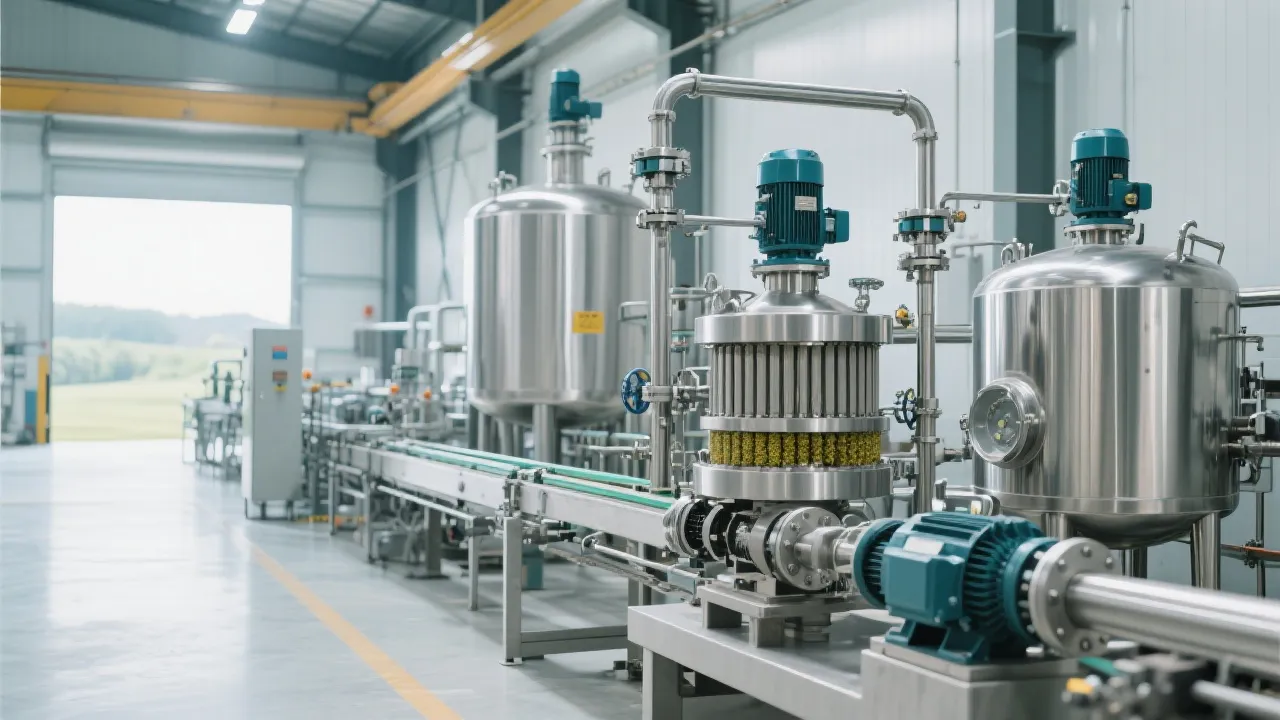
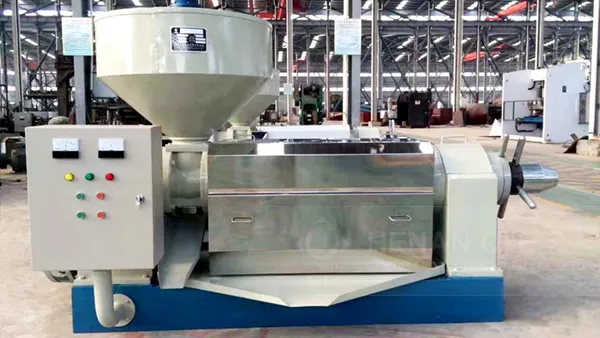
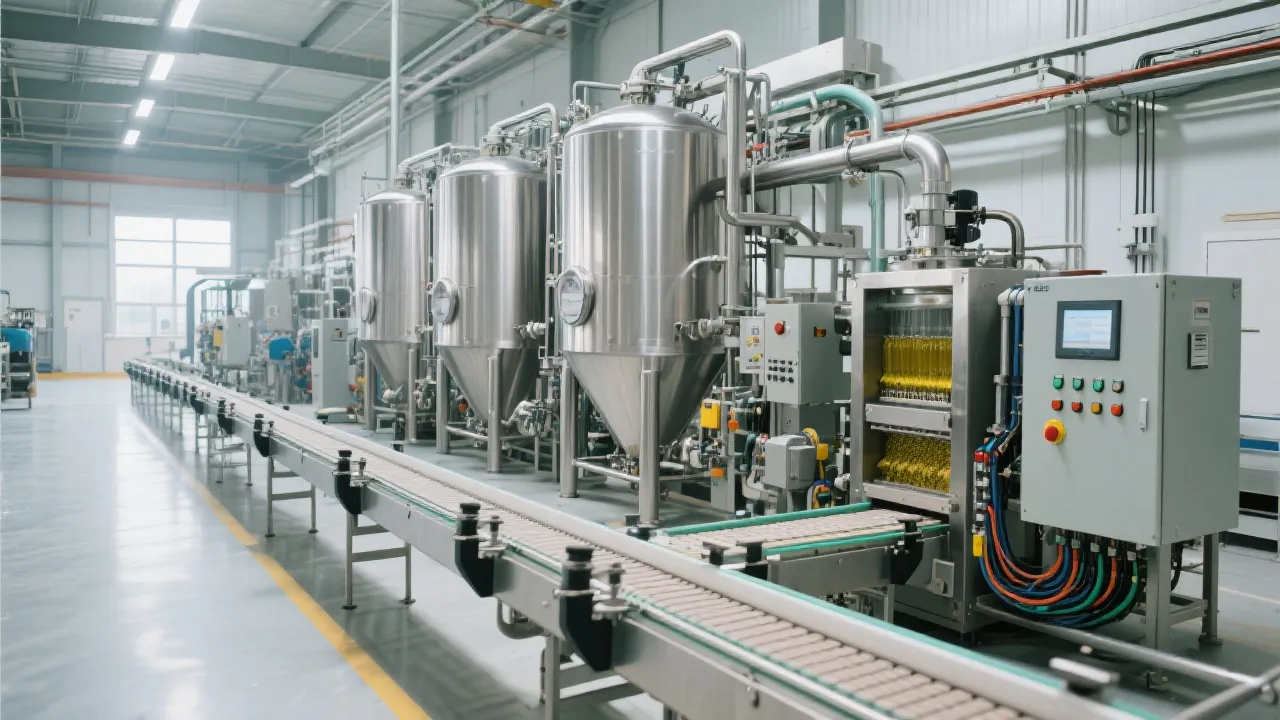
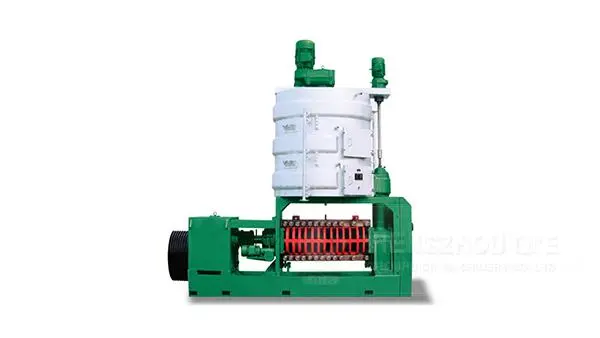
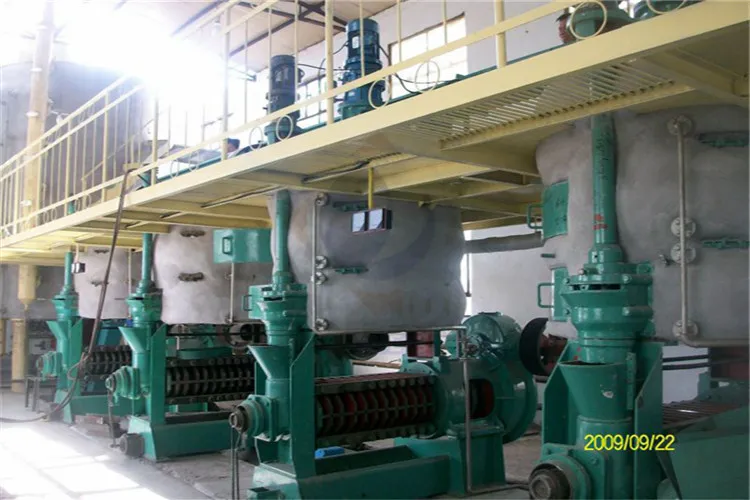
Crude edible oil obtained from oilseeds through pressing or solvent extraction contains various impurities that affect its quality, stability, and safety. Edible oil refining equipment is designed to systematically remove these unwanted components through a series of specialized processes. Qi'e Grain and Oil Machinery Co., Ltd., a leading manufacturer of oil processing equipment with a global presence in over 120 countries, provides advanced refining solutions that transform crude oil into high-quality edible oil meeting international standards.
Edible oil refining equipment typically integrates four fundamental processes, each targeting specific impurities to progressively improve oil quality:
The initial stage in oil refining, degumming removes phospholipids (gums) that can cause cloudiness and reduce oil stability. In this process, water or dilute acid is added to the crude oil, causing the hydrophilic phospholipids to hydrate and form insoluble gums. These gums are then separated using centrifuges or sedimentation tanks. Efficient degumming is critical as residual phospholipids can interfere with subsequent refining steps and affect the final oil's shelf life.
Deacidification addresses free fatty acids (FFAs) that contribute to unpleasant flavors and lower oil quality. Two primary methods are employed: chemical neutralization using alkaline solutions (typically sodium hydroxide) which reacts with FFAs to form soapstock, or physical distillation under vacuum conditions to vaporize and remove FFAs. The choice of method depends on the FFA content of the crude oil and the desired end product specifications. Qi'e Grain and Oil Machinery Co., Ltd.'s refining equipment is engineered to handle both processes efficiently, ensuring optimal acid removal while minimizing oil loss.
Following deacidification, decolorization removes pigments (carotenoids, chlorophyll) and other colored impurities to achieve the desired oil clarity and appearance. This process typically involves filtering the oil through adsorbents such as activated clay or activated carbon, which selectively absorb color compounds. The spent adsorbents are then removed, leaving a lighter, more visually appealing oil. Modern edible oil refining equipment incorporates precise temperature and pressure control during decolorization to maximize pigment removal while preserving the oil's nutritional properties.
The final refining stage, deodorization eliminates volatile compounds responsible for undesirable odors and flavors. This is accomplished by subjecting the oil to high temperatures (typically 180-240°C) under high vacuum conditions, allowing volatile components to evaporate. Steam injection is often used to strip these compounds from the oil. Deodorization not only improves the oil's sensory qualities but also extends its shelf life by removing oxidation-prone substances. Qi'e Grain and Oil Machinery Co., Ltd.'s deodorization systems are designed for energy efficiency and precise control, ensuring consistent product quality.
| Refining Process | Impurities Removed | Quality Improvement |
|---|---|---|
| Degumming | Phospholipids, gums, water-soluble impurities | Prevents cloudiness, improves stability, enhances further processing efficiency |
| Deacidification | Free fatty acids, soapstock | Reduces acidity, improves flavor, increases shelf life |
| Decolorization | Pigments, residual soap, trace metals | Enhances color clarity, improves appearance, reduces oxidation catalysts |
| Deodorization | Volatile compounds, odors, flavors, remaining FFAs | Removes unpleasant tastes/odors, extends shelf life, improves sensory quality |
Modern edible oil refining equipment integrates these processes into a continuous or semi-continuous system, ensuring efficient oil processing with minimal manual intervention. Qi'e Grain and Oil Machinery Co., Ltd. specializes in designing custom refining lines tailored to specific oil types (such as soybean, palm, sunflower, and others) and production scales, from small oil mills to large-scale industrial facilities. Each component of the refining equipment is engineered to work in harmony, maintaining process efficiency while ensuring product quality and safety.
"The sequential processes of degumming, deacidification, decolorization, and deodorization form the backbone of edible oil refining, each playing a critical role in transforming crude oil into a high-quality, marketable product. Understanding these processes is essential for selecting the right refining equipment and optimizing oil processing operations."
Qi'e Grain and Oil Machinery Co., Ltd. brings decades of expertise in oil processing technology, offering not just equipment but comprehensive solutions including design, installation, and technical support. For manufacturers looking to enhance their oil refining capabilities, understanding these fundamental processes is the first step toward achieving consistent, high-quality edible oil production.
 310
|
310
|
 physical expeller press
cold press oil extraction
natural food oil processing
small scale oil press machine
oil press filtration system
284
|
Small oil press maintenance
Oil press cleaning process
Wearable parts replacement cycle
Oil press fault troubleshooting
Home - use oil press tips
72
|
home oil press maintenance
oil press cleaning methods
small oil press care
screw oil press maintenance
hydraulic oil press upkeep
76
|
oil extraction process optimization
oil yield improvement
extraction parameter adjustment
solvent control
oil processing efficiency
156
|
household oil press maintenance
oil press cleaning methods
small oil press care
screw oil press maintenance
hydraulic oil press upkeep
physical expeller press
cold press oil extraction
natural food oil processing
small scale oil press machine
oil press filtration system
284
|
Small oil press maintenance
Oil press cleaning process
Wearable parts replacement cycle
Oil press fault troubleshooting
Home - use oil press tips
72
|
home oil press maintenance
oil press cleaning methods
small oil press care
screw oil press maintenance
hydraulic oil press upkeep
76
|
oil extraction process optimization
oil yield improvement
extraction parameter adjustment
solvent control
oil processing efficiency
156
|
household oil press maintenance
oil press cleaning methods
small oil press care
screw oil press maintenance
hydraulic oil press upkeep