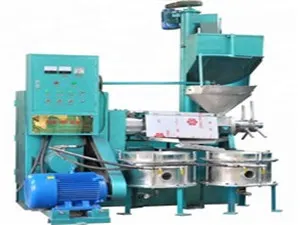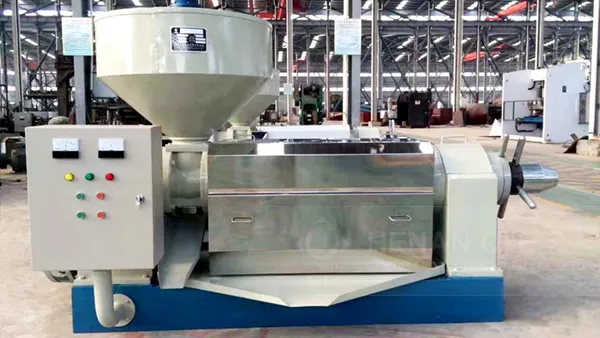
For many households, owning a small oil press has transformed kitchen routines by providing fresh, healthy cooking oil right at home. However, like any kitchen appliance, regular maintenance is key to ensuring consistent performance and longevity. In fact, according to appliance maintenance studies, proper care can extend the lifespan of kitchen equipment by up to 40% and reduce repair costs by nearly 65%. This comprehensive guide will walk you through the essential maintenance practices for your home oil press, helping you maximize efficiency while minimizing downtime.
Establishing a consistent cleaning routine after each use is critical for preventing oil residue buildup and maintaining optimal performance. Start by ensuring the machine is completely powered off and cooled down before beginning the cleaning process.
Pay special attention to the oil outlet and filter components, as these areas are most prone to buildup. A study by home appliance experts found that neglecting these areas can lead to a 30% reduction in oil extraction efficiency within just three months of regular use.
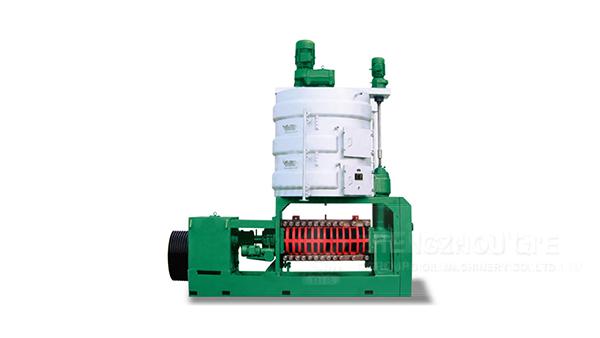
Your oil press contains several components that require periodic inspection and potential replacement. The frequency depends on usage – for average home use (2-3 times weekly), a thorough inspection every 3 months is recommended. For heavy use (daily operation), monthly inspections are advised.
| Component | Inspection Frequency | Replacement Indicator |
|---|---|---|
| Press Screw | Every 3 months | Visible wear or reduced oil output |
| Filter Screens | Every use | Clogging or tears |
| Gaskets & Seals | Every 6 months | Cracks, hardening, or oil leaks |
| Drive Belts | Every 4 months | Slipping or cracks |
Proper lubrication is vital for reducing friction and preventing premature wear of moving parts. Always use food-grade lubricants specifically recommended for oil press machinery. Apply lubricant sparingly to moving components – excessive lubrication can contaminate your oil and attract dust and debris.
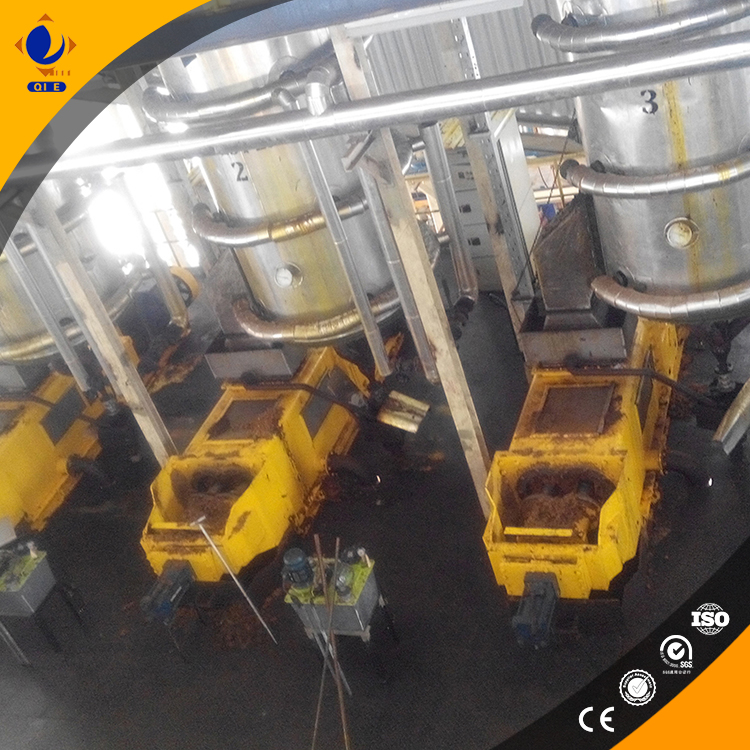
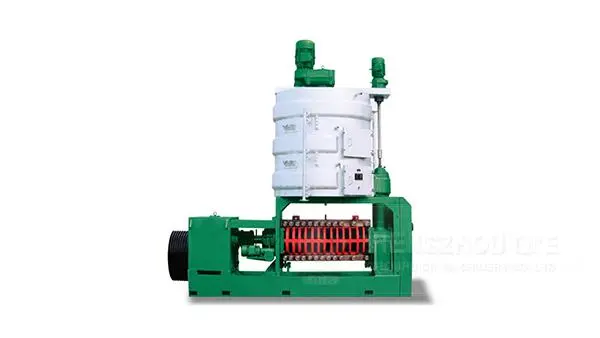
Focus on maintaining the screw press assembly and ensuring proper alignment. Clean the spiral chamber thoroughly after each use to prevent buildup that can affect pressure and oil quality. Check the tightness of the press cage bolts monthly, as vibration can loosen them over time.
Pay special attention to the hydraulic fluid level and quality. Inspect hoses and connections regularly for signs of wear or leaks. The hydraulic piston should be cleaned and lubricated every 2 months to ensure smooth operation and prevent seal damage.
Even with proper maintenance, occasional issues may arise. Here are solutions to some common problems:
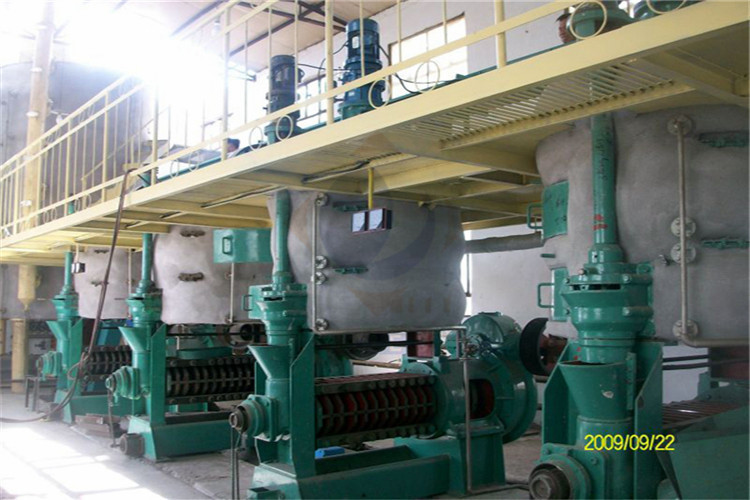
Operating your oil press efficiently not only reduces energy costs but also minimizes wear on components. Run the machine at optimal capacity – overloading can increase energy consumption by up to 25% and cause premature wear. Allow the machine to reach operating temperature before processing seeds, and avoid频繁的 on/off cycles which can strain the motor.
Safety should always be a priority. Never leave the machine unattended during operation, and keep hands and utensils away from moving parts. Ensure proper grounding of electrical components, and immediately address any unusual sounds or smells during operation by turning off the machine and investigating the cause.
The 企鹅集团 (Penguin Group) technical support team is here to help with all your small oil press maintenance needs. Our experts can provide personalized guidance, genuine replacement parts, and professional service to keep your equipment operating at peak performance.
Contact Penguin Group Support NowBy following these maintenance guidelines, you can expect your home oil press to provide reliable service for many years. Regular care not only extends the life of your equipment but also ensures consistent oil quality and production efficiency. Remember that preventive maintenance is always more cost-effective than repairs or replacement, saving you both time and money in the long run.
 409
|
409
|
 home oil press machine
physical oil extraction method
natural edible oil
screw press oil extractor
DIY kitchen oil
234
|
Home single-unit oil press
Single-unit oil press selection
Suitable oils
Oil press processing capacity
Home oil press operation
244
|
Physical pressing oil press principle
Natural and additive - free edible oil extraction method
Operation of household small - scale oil press
Difference between chemical extraction and physical pressing
Screw rod extrusion technology
189
|
Small oil press maintenance
Oil press troubleshooting
Single - unit oil press maintenance
Oil extraction equipment cleaning
Oil press repair skills
317
|
cold-press oil machine
low-temperature pressing
nutrient retention
cold-pressed vs hot-pressed
oils suitable for cold pressing
home oil press machine
physical oil extraction method
natural edible oil
screw press oil extractor
DIY kitchen oil
234
|
Home single-unit oil press
Single-unit oil press selection
Suitable oils
Oil press processing capacity
Home oil press operation
244
|
Physical pressing oil press principle
Natural and additive - free edible oil extraction method
Operation of household small - scale oil press
Difference between chemical extraction and physical pressing
Screw rod extrusion technology
189
|
Small oil press maintenance
Oil press troubleshooting
Single - unit oil press maintenance
Oil extraction equipment cleaning
Oil press repair skills
317
|
cold-press oil machine
low-temperature pressing
nutrient retention
cold-pressed vs hot-pressed
oils suitable for cold pressing