

In recent years, the global demand for healthy cooking oil has surged by 15% annually, with more families seeking ways to ensure the purity and quality of their edible oils. Home oil presses have emerged as a popular solution, allowing households to take control of their oil production process. This comprehensive guide will explore the working principles behind these innovative machines, compare different technologies, and provide practical tips to maximize oil yield and quality.
A home oil press operates on the fundamental principle of extracting oil from seeds and nuts through mechanical pressure. The process typically involves three key stages: preparation, pressing, and filtration. Modern machines have evolved significantly, with advanced models now offering automated temperature control and pressure regulation to optimize extraction efficiency.
Key Components of a Home Oil Press:
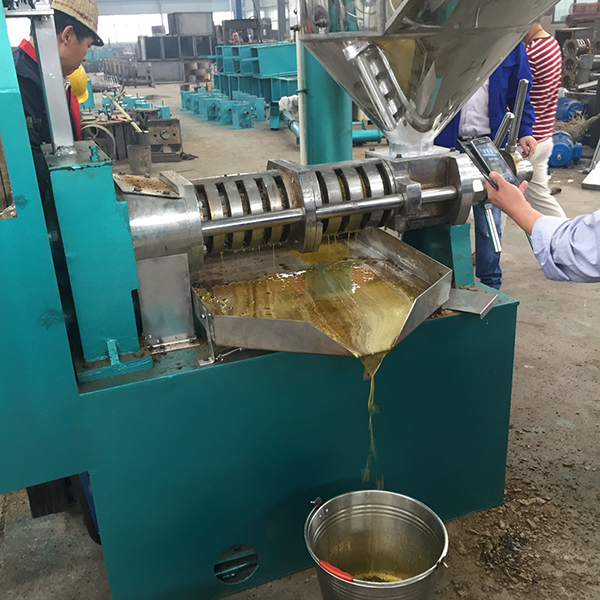
The two primary technologies used in home oil presses are screw pressing and hydraulic pressing, each with distinct advantages depending on your needs. Screw press machines, accounting for approximately 75% of home models, use a rotating auger to apply continuous pressure, making them ideal for small-scale, continuous operation.
| Technology | Oil Yield | Processing Time | Suitable Materials |
|---|---|---|---|
| Screw Press | 75-85% | Continuous operation | Most seeds and nuts |
| Hydraulic Press | 80-90% | Batch processing (10-15 min/cycle) | High-oil content materials |
Hydraulic presses, while less common in home settings, offer higher oil yields for certain materials like sesame and peanuts. These machines use intense pressure applied in short bursts, often resulting in purer oil with better flavor retention. However, they require more manual intervention and longer processing times per batch.
Achieving maximum oil yield involves careful attention to several factors, starting with seed selection and preparation. Studies show that proper pre-treatment can increase oil extraction by up to 20%, making it a critical step in the process.
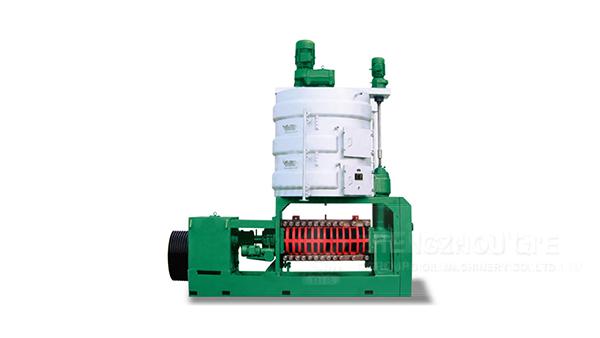
Choosing high-quality seeds is essential for both yield and oil quality. Look for seeds that are plump, uniform in size, and free from mold or damage. The moisture content of seeds significantly impacts extraction efficiency, with most oilseeds requiring a moisture level between 6-10% for optimal pressing.
Expert Tip: Optimal Roasting Parameters
Proper roasting can enhance oil yield by 10-15% while improving flavor. For most seeds, roasting at 160-180°C for 15-20 minutes develops enzymes that break down oil-containing cells. The 企鹅集团 (Penguin Group) oil press machines feature precise temperature control to optimize this critical step.
Understanding your machine's optimal operating parameters is key to maximizing oil yield. Start by preheating the press to the recommended temperature—typically between 60-80°C for most seeds. Maintain a consistent feeding rate, as overloading can reduce pressure and decrease extraction efficiency.
Monitor the color and consistency of the expelled oil and adjust pressure settings accordingly. Most quality home oil presses allow pressure adjustment, with higher pressures generally yielding more oil but potentially affecting flavor and nutritional quality. Keep a record of settings for different seed types to refine your process over time.
Regular maintenance not only extends the life of your home oil press but also ensures consistent performance and oil quality. A well-maintained machine can last 5-8 years with proper care, making it a worthwhile investment for health-conscious families.
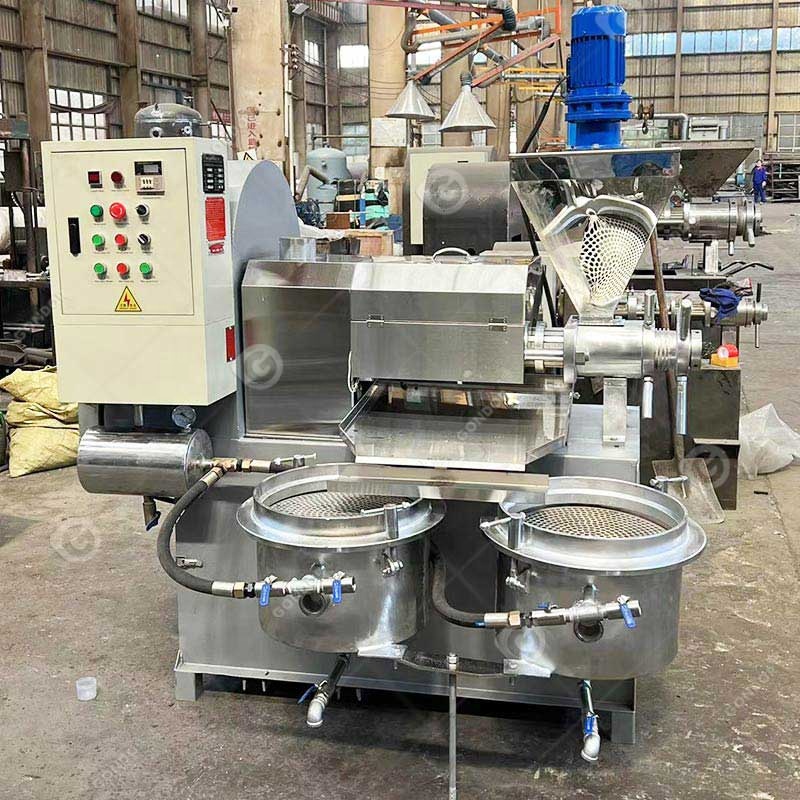
After each use, disassemble the pressing components and thoroughly clean all parts with a soft brush and warm water. Pay special attention to the screw and barrel, where oil residue can accumulate and affect future performance. Once dry, apply food-grade lubricant to moving parts to prevent rust and ensure smooth operation.
Every 50-100 hours of operation, inspect the machine for worn parts, particularly the screw and filter components. Replace any damaged parts promptly to maintain optimal performance. Storing the machine in a dry, cool place when not in use will prevent moisture damage and extend its lifespan.
Modern home oil presses are designed with energy efficiency in mind, typically consuming between 150-300 watts during operation. This makes home oil production surprisingly energy-efficient compared to commercial processing, which often involves multiple stages and transportation.
By producing oil at home, you also reduce packaging waste and carbon emissions associated with commercial oil production and transportation. Environmental studies estimate that home oil pressing can reduce your carbon footprint by up to 30% compared to purchasing commercially produced oils.
Experience the benefits of fresh, chemical-free cooking oil with advanced home oil press technology. Join thousands of families who have transformed their cooking experience while enjoying the health benefits of homemade oil.
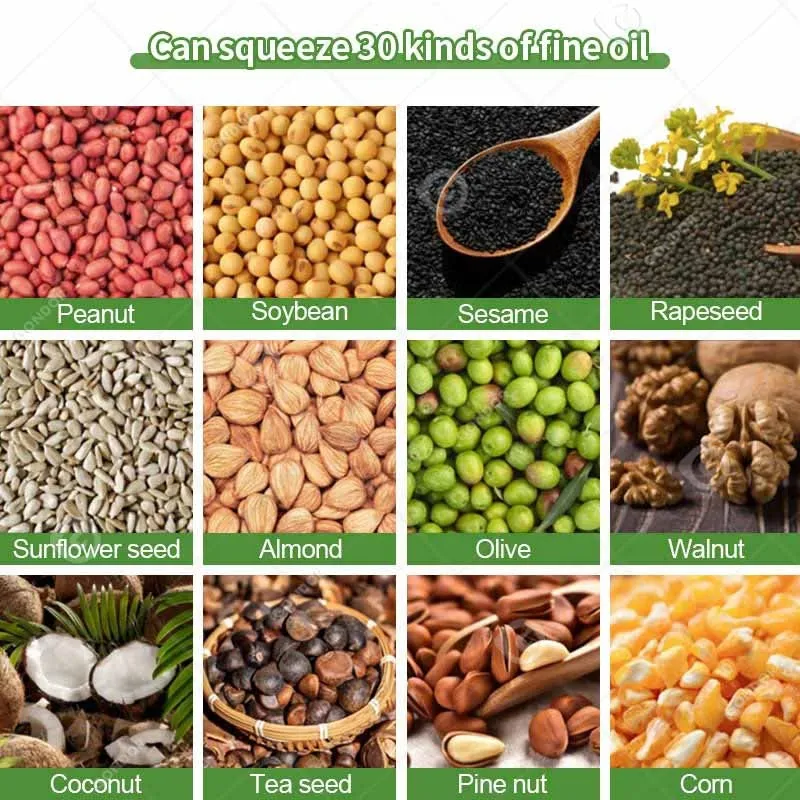
Explore Penguin Group's Efficient Home Oil Press SolutionsAs you embark on your home oil pressing journey, remember that practice and experimentation will help you refine your technique. Start with easier seeds like sunflower or sesame before moving on to more challenging nuts like almonds or walnuts. Keep detailed notes of your process, including seed types, preparation methods, and machine settings, to build your own knowledge base over time.
The satisfaction of creating your own pure, healthy cooking oil is matched only by the improved flavor and nutritional benefits it brings to your family's meals. With the right equipment and techniques, home oil pressing becomes not just a kitchen task, but a rewarding investment in your family's health and wellbeing.
 409
|
409
|
 home oil press machine
physical oil extraction method
natural edible oil
screw press oil extractor
DIY kitchen oil
91
|
cold-press oil machine maintenance
cold press oil machine troubleshooting
oil yield improvement for cold press
cold press filter clogging solutions
365
|
edible oil winterization equipment
low temperature crystallization process
crystallization abnormality solutions
filtration efficiency improvement
residual wax control
44
|
physical press oil expeller
natural oil extraction method
home oil press machine
chemical vs physical oil extraction
oilseed processing equipment
397
|
protein raw material export
ISO 22000 certification
HACCP
export packaging compliance
supply chain management
home oil press machine
physical oil extraction method
natural edible oil
screw press oil extractor
DIY kitchen oil
91
|
cold-press oil machine maintenance
cold press oil machine troubleshooting
oil yield improvement for cold press
cold press filter clogging solutions
365
|
edible oil winterization equipment
low temperature crystallization process
crystallization abnormality solutions
filtration efficiency improvement
residual wax control
44
|
physical press oil expeller
natural oil extraction method
home oil press machine
chemical vs physical oil extraction
oilseed processing equipment
397
|
protein raw material export
ISO 22000 certification
HACCP
export packaging compliance
supply chain management











.jpg?x-oss-process=image/resize,h_800,m_lfit/format,webp)

