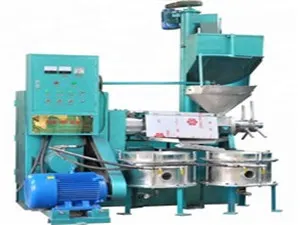
Are you a home user or a small workshop owner looking to invest in a single - unit oil press for home use? Selecting the right oil press can be a daunting task, but fret not! This article will serve as your comprehensive guide, covering everything from technical principles to practical tips, ensuring you make an informed decision.
First, let's delve into the various scenarios where a home - use single - unit oil press comes in handy. For home users, the primary goal is often to produce small batches of healthy, homemade edible oil. Whether it's for daily cooking or experimenting with different oil flavors, the requirements are focused on simplicity, safety, and the ability to handle various types of oilseeds.
Small workshop owners, on the other hand, have a different set of needs. They require higher processing capacity and more durable equipment to meet the demands of small - scale production. Challenges they face include ensuring consistent oil quality, optimizing production efficiency, and managing costs.
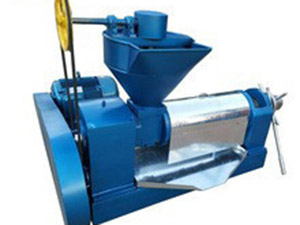
Motor power is a crucial factor that directly impacts the processing capacity of the oil press. Generally, for home use, a motor with a power of 500 - 1000 watts is sufficient. This range can handle most common oilseeds, such as peanuts, soybeans, and rapeseeds, at a reasonable speed. For small workshops, a more powerful motor, around 1500 - 2500 watts, is recommended to ensure continuous and efficient production.
Not all oil presses are created equal when it comes to handling different types of oilseeds. Some oil presses are designed specifically for certain seeds, while others offer a wider range of compatibility. For example, if you plan to process a variety of seeds like sunflower seeds, sesame seeds, and walnuts, look for an oil press with adjustable settings to accommodate different seed characteristics. A good oil press should be able to extract oil from at least 5 - 8 different types of common oilseeds.
As a user, you'll appreciate an oil press that is easy to operate. Features such as simple control panels, easy - to - clean components, and clear instructions can make a big difference. Some oil presses come with automatic feeding systems, which can save you time and effort, especially during large - scale production. Additionally, a well - designed oil press should have a short pre - heating time, usually within 5 - 10 minutes, to get you started quickly.
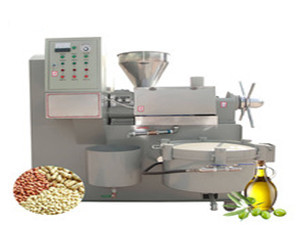
To better understand how an oil press works, let's take a look at its technical principles and structure. Most home - use single - unit oil presses use a screw - type pressing mechanism. The screw rotates inside the pressing chamber, gradually squeezing the oil out of the oilseeds. This process is not only efficient but also ensures a high oil extraction rate, usually between 40% - 60% depending on the type of oilseed.
Many modern oil presses are also equipped with a double - filtration system. This system helps to remove impurities from the extracted oil, resulting in cleaner and healthier edible oil. The double - filtration process typically involves a primary filter to remove large particles and a secondary filter for finer impurities.
Now that you understand the key factors and technical aspects, here's a practical selection list to help you make the right choice:
There are also some common pitfalls to avoid. For example, don't be swayed by low - priced oil presses that may lack quality and durability. Also, make sure to choose a product from a reputable manufacturer with good after - sales service.
.jpg)
Investing in a high - quality home - use single - unit oil press can bring you numerous benefits, including the ability to produce healthy, homemade edible oil at your convenience. With the information provided in this article, you're now well - equipped to make a smart decision.
Discover the Perfect Home - Use Single - Unit Oil Press for You!
 428
|
428
|
 plant oil refining equipment selection
high-temperature vacuum distillation advantages
automated edible oil refining
sunflower oil refining machinery
edible oil processing equipment customization
406
|
home oil press machine
physical oil extraction method
natural edible oil
screw press oil extractor
DIY kitchen oil
360
|
edible oil winterization equipment
low temperature crystallization process
crystallization abnormality solutions
filtration efficiency improvement
residual wax control
189
|
Small oil press maintenance
Oil press troubleshooting
Single - unit oil press maintenance
Oil extraction equipment cleaning
Oil press repair skills
44
|
physical press oil expeller
natural oil extraction method
home oil press machine
chemical vs physical oil extraction
oilseed processing equipment
plant oil refining equipment selection
high-temperature vacuum distillation advantages
automated edible oil refining
sunflower oil refining machinery
edible oil processing equipment customization
406
|
home oil press machine
physical oil extraction method
natural edible oil
screw press oil extractor
DIY kitchen oil
360
|
edible oil winterization equipment
low temperature crystallization process
crystallization abnormality solutions
filtration efficiency improvement
residual wax control
189
|
Small oil press maintenance
Oil press troubleshooting
Single - unit oil press maintenance
Oil extraction equipment cleaning
Oil press repair skills
44
|
physical press oil expeller
natural oil extraction method
home oil press machine
chemical vs physical oil extraction
oilseed processing equipment