Cold-Press Oil Machine Technology: Low-Temperature Pressing for Maximum Nutrient Retention
2026-03-02
Technical knowledge
This article offers a technical, data-driven examination of cold-press oil machines, emphasizing low-temperature, solvent-free pressing to maximize preservation of natural nutrients such as vitamin E, polyphenols and phytosterols. It details the three core technology pillars—mechanical pressure system design, precise temperature-control mechanisms and solvent-free extraction workflows—then contrasts typical temperature ranges, retention rates and sensory differences with conventional hot-press methods. Practical guidance on equipment parameters, operation tips and performance expectations is provided for common oilseeds (walnut, flaxseed, peanut), aimed at small- and medium-sized processors and household users. Discover a comprehensive list of oils suitable for cold pressing and how to implement best practices for high-quality, nutrient-rich edible oil.

Cold-Press Oil Machines: How Low-Temperature Extraction Preserves Nutrition
A technical deep-dive into mechanical pressure systems, precise temperature control and solvent-free extraction for maximum retention of vitamin E, polyphenols and phytosterols.
What is cold-press (cold-pressed) extraction?
Cold-press extraction is a mechanical, solvent-free method that separates oil from seeds and nuts primarily by pressure, while keeping the oil temperature below a threshold that degrades sensitive nutrients. In practical industrial and small-batch systems, target oil temperatures are often maintained between 25°C and 50°C—well below the 80–120°C ranges used in conventional hot-press processing.
By avoiding chemical solvents and excessive heat, cold-press systems retain higher concentrations of heat-labile compounds such as tocopherols (vitamin E), polyphenolic antioxidants and plant sterols. Peer-reviewed studies and industry analyses indicate that cold-pressed oils can retain 20–60% more polyphenols and up to 30% more vitamin E compared with typical hot-extraction outcomes, although exact figures depend on feedstock and process settings.
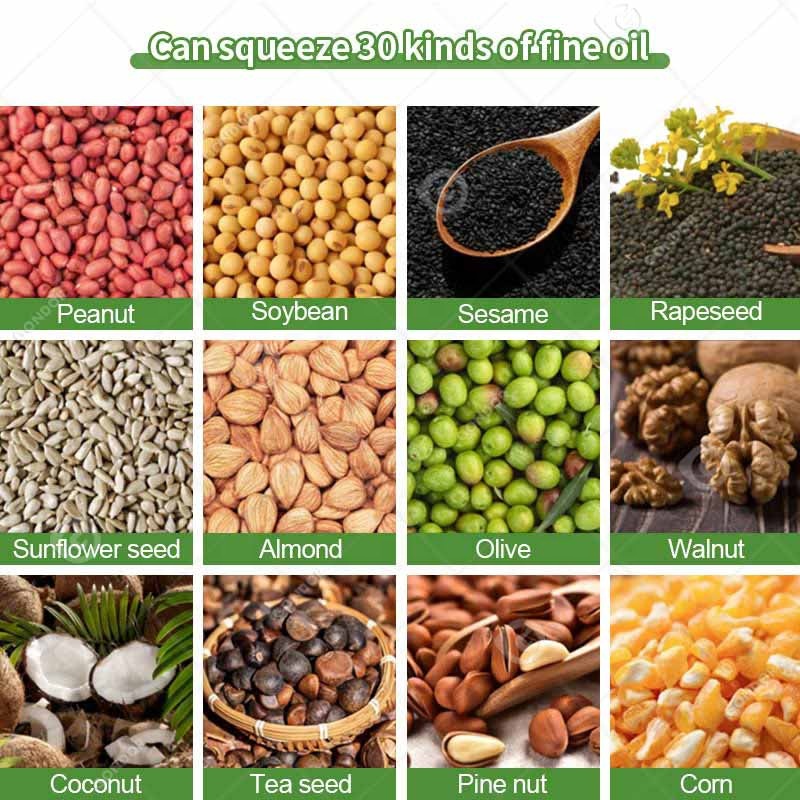
Three key technical elements of cold-press machines
1. Mechanical pressure system design
High-efficiency cold-press units use engineered screw profiles, progressive compression zones and variable pitch to extract oil with minimal frictional heating. Recommended design parameters for small-to-medium continuous presses:
- Compression ratio: 6:1 to 12:1 depending on seed hardness.
- Screw speed: 20–60 rpm for low heat generation; lower rpm reduces shear heat.
- Operating pressure: 50–220 bar (industrial ranges vary by feedstock).
- Material contact surfaces: food-grade stainless steel (316L) with polished surfaces to reduce oxidative hotspots.
2. Precise temperature control
Temperature is the dominant variable for nutrient preservation. Effective systems integrate:
- External cooling jackets on screw barrels and collection chambers.
- Inline thermocouples with PID controllers to maintain oil outlet temperature within ±2°C of the setpoint.
- Optional pre-conditioning at 20–30°C to optimize seed pliability without activating thermal degradation.
3. Solvent-free, closed-path extraction
Closed-path mechanical extraction minimizes oxygen exposure and eliminates solvent residues. For higher oxidative stability, systems can operate under a low-oxygen blanket (e.g., nitrogen purge) for premium extractions.
Cold-press vs Hot-press — measurable differences
| Metric |
Cold-press |
Hot-press |
| Typical operating temperature |
25–50°C |
80–120°C |
| Vitamin E retention (approx.) |
70–95% |
40–70% |
| Polyphenol retention (approx.) |
40–80% |
10–50% |
| Flavor and aroma |
Fuller native flavors |
Flattened or toasted notes |
Data ranges above are aggregated from food science literature and industry lab results; actual retention varies by seed moisture, freshness and processing conditions. Food technologists commonly reference the Journal of Food Science and FAO technical reports for baseline comparisons.
Feedstock suitability and practical operating tips
Cold pressing works across a wide range of oilseeds and nuts. Typical compatibility and suggested settings:
- Walnut: High oil yield, delicate flavor — pre-cracking and gentle preconditioning at 25–30°C improve yields.
- Flax (linseed): Rich in omega-3; keep temperatures low (<30°C) to prevent oxidation of polyunsaturated fatty acids.
- Peanut: Requires higher compression and slightly elevated preheat (30–35°C) for optimal flow; monitor for allergen cross-contamination in shared lines.
- Sesame, sunflower, rapeseed: Standard cold-press settings apply; consider seed dehulling for bitter off-notes (sesame hull removal improves taste).
Operational checklist for consistent quality
- Use fresh, properly stored seeds (moisture 5–8% for most oilseeds).
- Maintain screw rpm and barrel cooling to keep outlet oil <50°C unless specified.
- Collect oil in inert, dark containers and minimize air contact to preserve antioxidants.
- Apply secondary filtration (mechanical cloth or low-temperature centrifuge) instead of heat-based clarification.
.jpg)
Scale, yield expectations and quality control
Yields in cold-press processing are typically 5–15% lower than optimized solvent extraction but deliver higher-value oil due to superior nutritional profile and sensory qualities. Typical yield ranges:
- Walnut: 40–55% oil recoverable by cold-press.
- Peanut: 40–50%.
- Flax: 35–42%.
For grain- and seed-processing enterprises considering a shift or extension into cold-pressed product lines, a pilot run (1–4 weeks) is advised to establish process windows. Quality-control metrics should include peroxide value (PV), free fatty acid (FFA), tocopherol content and sensory panel scoring every batch.
Additional references and practical next steps
Technical teams typically consult peer-reviewed food science literature and FAO/WHO guidance for solvent-free extraction benchmarks. For operators, a staged approach—laboratory trials, pilot production, then small-scale commercialization—minimizes risk while documenting quality improvements.
Interested readers can learn more cold-press suitable oil list and equipment specifications to assess appropriate machine models for their feedstocks and output goals.


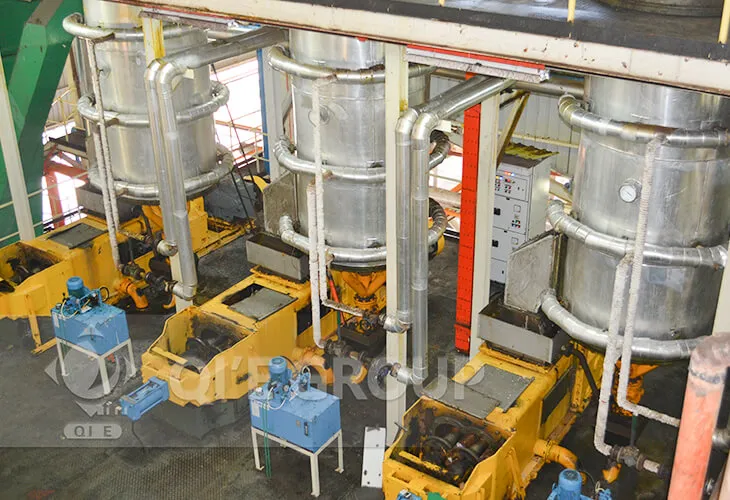





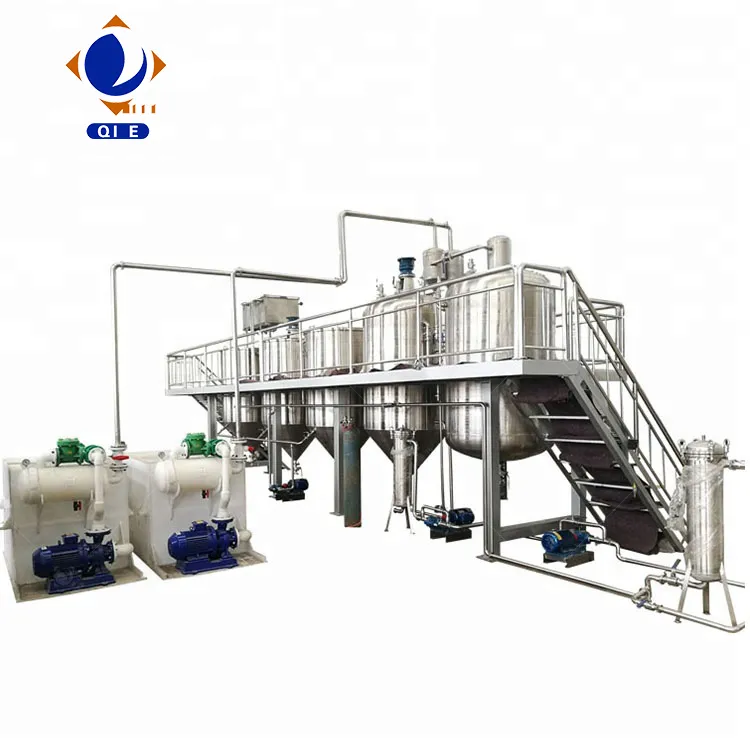


.jpg?x-oss-process=image/resize,h_800,m_lfit/format,webp)