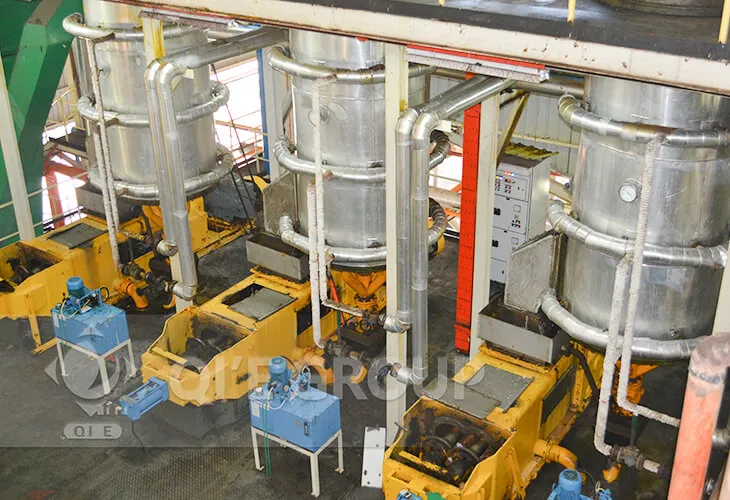
Qi'e Grain and Oil Machinery Co., Ltd. provides cold oil press machine solutions based on mechanical extraction and process control. By separating oil from suitable oilseeds through physical pressing rather than chemical solvent extraction, a cold pressing process can support the retention of naturally occurring components in the oil. The actual balance between nutrient retention, oil yield, product quality, and operating cost depends on the raw material and the conditions used throughout processing.
A cold oil press machine extracts oil through controlled mechanical pressure at a relatively low processing temperature. Unlike processes that rely on intensive heating or chemical solvents, cold pressing is designed to minimize unnecessary thermal exposure during oil separation. This approach may help preserve sensitive naturally occurring components, including vitamin E and polyphenols, depending on the oilseed, processing conditions, filtration method, and storage environment.
Cold pressing should therefore be understood as a process approach rather than a guarantee of a fixed nutritional result. Raw material quality, moisture condition, freshness, equipment adjustment, residence time, oxygen exposure, and subsequent handling all influence the final oil.
Different oilseeds have different structures, oil contents, moisture requirements, and pressing characteristics. The raw material should be assessed before selecting operating conditions.
Freshness, cleanliness, moisture content, and storage history can affect both oil quality and extraction performance. Consistent preparation supports more reliable pressing results.
Pre-treatment temperature, pressing temperature, and outlet oil temperature should be monitored as part of process control rather than judged only by general equipment descriptions.
Filtration, contact with oxygen, residence time, and storage conditions may influence the stability and sensory quality of cold-pressed oil after extraction.
| Process aspect | What it means for evaluation |
|---|---|
| Mechanical extraction | Oil is separated through physical pressing without relying on chemical solvents. |
| Lower-temperature operation | Reduced thermal exposure may help retain selected natural components, subject to actual operating conditions. |
| Oil yield | Cold pressing may provide a relatively lower oil yield than more intensive extraction methods for some raw materials. |
| Market positioning | Cold-pressed oil can appeal to buyers seeking a natural processing approach and distinctive taste, while production cost and market requirements must also be considered. |
Natural nutrient retention cannot be assessed from the machine name alone. Oilseed suitability, moisture condition, pre-treatment temperature, pressing temperature, outlet oil temperature, residence time, oxygen exposure, filtration, and storage should be verified through representative sampling and trial pressing. These checks help processors make a more informed decision about the relationship between cold pressing, oil yield, and final oil quality.
As a professional supplier of oil pressing equipment, oil production line equipment, and edible oil refining equipment, Qi'e Grain and Oil Machinery Co., Ltd. supports B2B customers with equipment selection, process planning, installation, and technical service. The company serves customers across Asia, Africa, and South America and focuses on practical solutions aligned with raw material characteristics and production objectives.
For a cold oil press machine project, the most useful starting information includes the target oilseed, expected production scale, raw material condition, desired processing temperature, filtration requirements, and intended application. Based on these factors, the equipment and process can be evaluated more appropriately for a family oil mill, small-scale oil extraction project, food processing plant, or other commercial oil production setting.
 198
|
 Qi'e Grain and Oil Machinery Co., Ltd. integrated pressing and filtration automatic oil press advantages small oil mill equipment selection oil press investment evaluation
70
|
Qi'e Grain and Oil Machinery Co., Ltd. grain and oil machinery oil processing solutions oil pressing production lines edible oil refining equipment
281
|
Qi'e Grain and Oil Machinery Co., Ltd. integrated pressing and filtration automatic oil press small and medium oil plant equipment selection oil press economic evaluation regional market suitability
125
|
Qi'e Grain and Oil Machinery Co., Ltd. grain and oil processing equipment oil pressing production line vegetable oil solvent extraction equipment edible oil refining equipment
368
|
edible oil processing equipment oil pressing equipment oil production line edible oil refining Qi'e Grain and Oil Machinery Co., Ltd.