Evaluating Nutrient Retention in Cold Oil Pressing
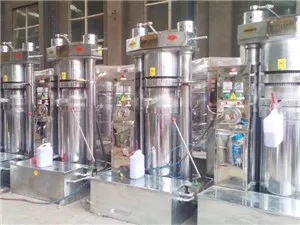
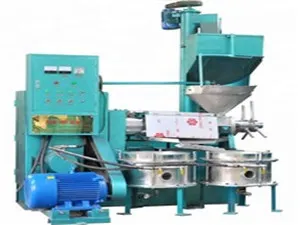
A cold oil press machine extracts oil through mechanical pressing rather than chemical solvent addition. This process can help preserve the natural characteristics of suitable oilseeds, but nutrient and flavor retention depend on more than the absence of external heating. Raw material condition, mechanical friction, processing time, filtration, oxygen exposure, and storage all influence the final oil quality.
Qi'e Grain and Oil Machinery Co., Ltd. provides oil pressing equipment and process solutions for food processing plants, family oil mills, and other oil processing businesses. The appropriate equipment configuration should be matched to the oilseed, production scale, target oil quality, and operating conditions.
Cold pressing separates oil from prepared oilseeds through physical pressure without intentionally heating the raw material or adding chemical solvents. Lower-temperature processing may help retain heat-sensitive components, including naturally occurring vitamin E and polyphenols, while supporting the characteristic taste of the oil. However, a cold press machine does not automatically guarantee a specific nutrient level or oil yield. The result must be verified according to the raw material and the actual processing conditions.
Seed freshness, cleanliness, moisture, maturity, and storage history affect pressing behavior and oil quality. Different oilseeds require different preparation and operating conditions, so trial processing is useful before finalizing a production setup.
Mechanical friction can generate heat during pressing. Monitoring the feed, press chamber, outlet, and expressed oil temperatures provides a more reliable basis for evaluating whether the process meets the intended low-temperature conditions.
The time that oilseed and oil remain in the pressing system can influence exposure to heat and oxygen. Stable feeding and suitable operating conditions help maintain consistent processing.
After pressing, appropriate filtration can remove suspended solids. Clean containers, limited oxygen exposure, suitable light protection, and controlled storage help protect the oil’s sensory and quality characteristics.
For an oil processing company, evaluating a cold oil press machine should include the complete process rather than the machine name alone. The following checklist can support equipment comparison and production trials:
| Evaluation area | What to check | Why it matters |
|---|---|---|
| Oilseed preparation | Freshness, moisture, cleanliness, and preparation method | Influences press stability, oil yield, and raw oil quality |
| Temperature control | Temperature at key points and heat generated by friction | Helps assess the actual low-temperature performance |
| Production consistency | Feed rate, operating stability, and residence time | Supports repeatable oil quality during continuous operation |
| Oil clarification | Filtration requirements and removal of suspended particles | Affects appearance, storage handling, and downstream processing |
| Quality verification | Sensory evaluation and appropriate laboratory testing | Provides evidence for nutrient, flavor, and quality claims |
Cold pressing is generally selected when a processor places emphasis on natural flavor and the retention of heat-sensitive components. Its relatively low oil yield and higher processing cost may make the resulting oil more expensive than oil produced through higher-temperature methods. The best choice depends on the oilseed, production objective, expected market positioning, and required balance between yield and quality.
Not heating the raw material does not mean that the entire process remains at a low temperature. Mechanical friction, processing time, filtration, and storage conditions should all be considered when evaluating nutrient retention.
Qi'e Grain and Oil Machinery Co., Ltd. focuses on oil pressing equipment, oil production line equipment, and edible oil refining equipment. With a business approach built around technological innovation, product quality, and service, Qi'e supports customers with equipment selection, process planning, installation, and technical service. For a cold oil press machine project, the most reliable evaluation combines the specific oilseed, target production scale, temperature-monitoring plan, filtration requirements, storage method, and quality-testing evidence.
This structured approach helps buyers compare equipment on practical processing requirements and establish realistic expectations for oil yield, nutrient retention, flavor, and operating cost.
 375
|
 Qi'e Grain and Oil Machinery Co., Ltd. edible oil production line equipment oil pressing equipment selection oil extraction equipment edible oil refining equipment
168
|
Qi'e Grain and Oil Machinery Co., Ltd. automatic oil press market outlook integrated oil pressing and filtration small oil mill investment analysis regional oil processing equipment suitability
410
|
edible oil processing line oil pressing equipment oil refining equipment raw material processing Qi'e Grain and Oil Machinery Co., Ltd.
138
|
edible oil processing equipment oil pressing equipment oil extraction equipment edible oil refining equipment Qi'e Grain and Oil Machinery
424
|
Qi'e Grain and Oil Machinery Co., Ltd. automatic oil press integrated pressing and filtration small oil mill oil processing equipment evaluation