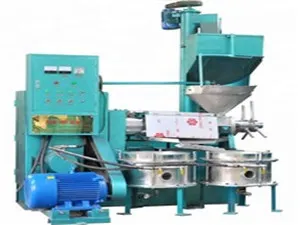
Automatic oil pressing and filtration for B2B operations
An automatic oil press can combine continuous pressing with oil filtration in one compact production unit. For small oil mills, regional processing sites, and small to medium-sized edible oil businesses, the investment decision should be based on more than equipment price. Processing capacity, oilseed availability, labor conditions, energy use, filtration requirements, local regulations, installation, and after-sales support all influence the suitability of a project.
The automatic oil press supplied by Qi'e Grain and Oil Machinery Co., Ltd. is designed to press and filter oil in a coordinated process. It uses a forced feeding device for more uniform material feeding, while the screw shaft moves prepared oilseed through the pressing chamber. Pressure, friction, and controlled heat generated during operation help release oil from the material.
A fine filtration system, increased filtration pressure, crude-oil temperature control, and oil-guiding technology support automatic filtration during pressing. The result is a practical solution for producing filtered crude oil from a range of oilseeds. Automatic filtration should not be understood as a substitute for a complete edible oil refining process when deodorization, decolorization, degumming, or other refining steps are required.
The machine can be used for oil crops such as peanuts, soybeans, rapeseed, sesame, sunflower seeds, and cotton seeds. Actual performance depends on crop variety, moisture, cleanliness, preparation, and operating conditions.
The required model should be selected according to daily throughput, seasonal raw-material supply, working hours, storage capacity, and the intended sales or processing schedule.
Local electricity availability, climate, workshop layout, operator skills, maintenance access, and spare-parts supply should be reviewed before final equipment selection.
If the target product is cooking oil for retail or food-service use, filtration quality and any additional refining, testing, packaging, and compliance steps must be assessed as part of the complete process.
| Characteristic | Potential project relevance |
|---|---|
| Integrated pressing and filtration | Can simplify the workflow where filtered crude oil is the required output and may reduce separate handling steps. |
| Multi-seed application | Supports operational flexibility when local raw-material supply changes across seasons or regions. |
| Compact layout | The stated equipment footprint of approximately 10–20 square meters may suit some small-scale production layouts, subject to auxiliary equipment and safety requirements. |
| Labor and energy considerations | The manufacturer states that, under comparable output conditions, the equipment may reduce electricity use and labor requirements. These figures should be verified against the selected model and local operating conditions. |
The supplied product information gives an example based on processing 500 kg of crude oil per day. In that reference scenario, the stated comprehensive cost is RMB 6,778, the stated output value is RMB 8,000, and the indicated daily profit is RMB 1,222.
Important: This is an illustrative reference from the product information, not a guaranteed return. Actual results depend on seed purchase prices, oil yield, oil and by-product selling prices, electricity, labor, maintenance, packaging, transport, taxes, financing, utilization rate, and local compliance costs.
Qi'e Grain and Oil Machinery Co., Ltd. serves customers in Asia, Africa, and South America. Because oilseed supply chains and food regulations vary significantly between countries and regions, a regional suitability review should be completed before investment.
Qi'e Grain and Oil Machinery Co., Ltd. focuses on oil pressing equipment, oil production line equipment, and edible oil refining equipment. Its support scope extends beyond the machine itself to include project design, installation, commissioning, and technical service. This broader approach helps B2B buyers evaluate equipment as part of a complete oil processing solution rather than as an isolated purchase.
For a tailored assessment, buyers should provide the target oilseed, expected daily throughput, available workshop conditions, desired oil quality, destination country, and planned production schedule. These details allow the equipment configuration and project recommendations to be reviewed against actual operating requirements.
Investment principle: the most suitable automatic oil press is not determined by advertised capacity alone. A sound decision connects raw-material conditions, filtration and product requirements, operating costs, local regulations, and long-term technical support.
 162
|
 oil press machine purchase mistakes equipment total cost oil material compatibility production line capacity Qi'e Grain and Oil Machinery
350
|
Qi'e Grain and Oil Machinery Co., Ltd. integrated oil pressing and filtration automatic oil press small-scale oil production plant oil processing equipment market adaptability
365
|
grain and oil machinery oil pressing production line edible oil refining equipment oil processing solution Qi'e Grain and Oil Machinery Co., Ltd.
44
|
edible oil processing equipment oil pressing equipment oil extraction equipment edible oil refining equipment Qi'e Grain and Oil Machinery Co., Ltd.
34
|
Qi'e Grain and Oil Machinery Co., Ltd. grain and oil machinery equipment edible oil production line oil pressing equipment edible oil refining equipment