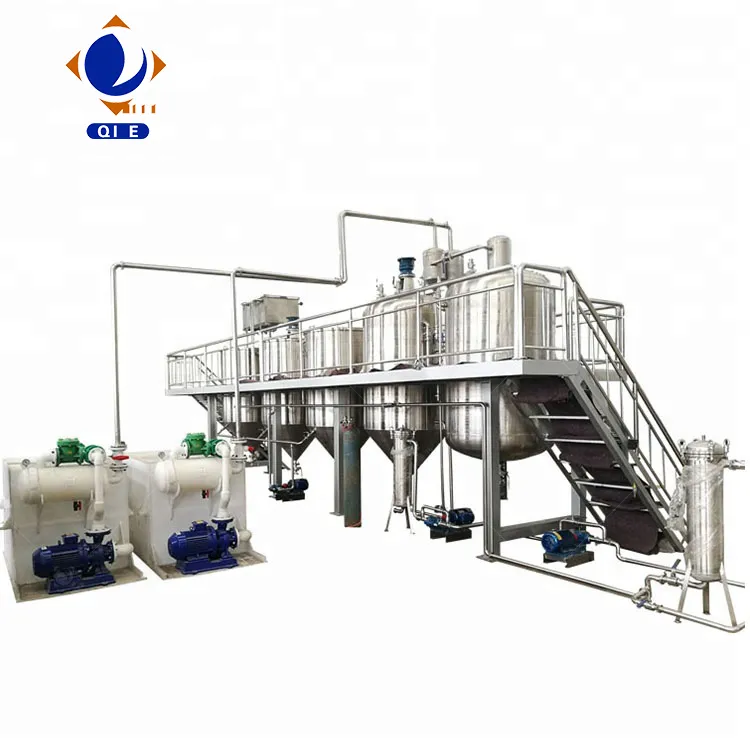
In the world of edible oil production, choosing the right method can make or break your brand’s reputation for quality and safety. Unlike chemical solvent extraction—which often leaves trace residues—physical cold pressing offers a cleaner, more transparent process that aligns with global consumer demand for natural foods.
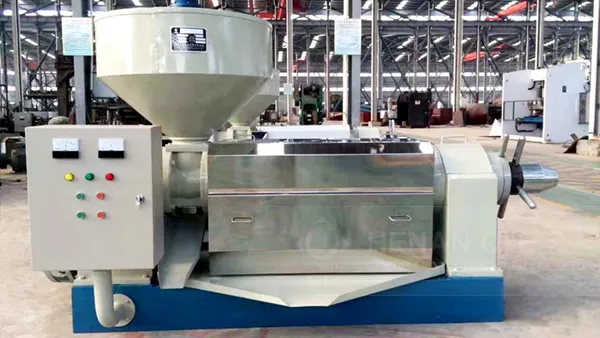
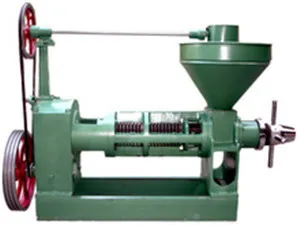
At the heart of every physical press is a precision-engineered screw system that applies high pressure while maintaining low heat (typically below 60°C). This gentle yet powerful compression forces oil out from seeds like peanuts, sesame, and sunflower without damaging essential nutrients such as vitamin E, omega-3s, and phytosterols. According to industry data, this method yields up to 95% of available oil per batch—a significant improvement over older mechanical systems.
Once extracted, raw oil passes through two stages of filtration: first a coarse cloth layer to remove large solids, then a fine mesh filter that traps micro-particles. This dual-step approach ensures clarity and extends shelf life naturally—no additives needed. For small-scale producers, this means consistent product quality across batches, which builds buyer trust faster than any marketing claim ever could.
| Feature | Physical Cold Press | Chemical Solvent Extraction |
|---|---|---|
| Nutrient Retention | High (up to 92% retention) | Low (often below 70%) |
| Residue Risk | None | Yes (hexane traces possible) |
| Taste & Aroma | Rich, authentic flavor | Neutral, sometimes artificial |
| Energy Efficiency | Moderate (low-temp operation) | High (but requires post-processing) |
Whether you're running a family-run workshop in India or setting up a mini oil mill in Nigeria, physical presses are versatile enough to handle both bulk and small-volume operations. For example, one unit can process 10–15 kg of sesame seeds per hour, producing clean oil suitable for export markets demanding “no added chemicals” certification. Key tips include monitoring temperature rise during operation (use thermal sensors if possible) and replacing filter cloths every 50 hours to avoid contamination risks.
Many users overlook simple maintenance steps—like cleaning the screw chamber after each run—but these practices directly impact yield consistency and machine longevity. When done right, your customers won’t just buy your oil—they’ll believe in your process.
We’ve covered how physical pressing delivers purity, nutrition, and reliability—but what challenges have you faced when switching from chemical methods? Share your story below—we read every comment and use real feedback to improve our machines.
Explore our range of certified physical cold presses designed for home-based entrepreneurs and small factories worldwide.
Get Your Free Technical Guide Now 428
|
428
|
 اختيار معدات تكرير زيت النباتي،تقنية التقطير الفراغي عالي الحرارة،أتمتة تكرير الزيوت،معدات تكرير دوار الشمس،تصنيع معدات إنتاج الزيوت الغذائية
360
|
معدات تبريد النفط النباتي، عملية التبلور المنخفضة الحرارة، حلول التبلور غير العادي، تعزيز كفاءة التصفية، ضبط الشمع المتبقي
395
|
تصدير مواد البروتين، اعتمادات مواد البروتين، اختبار ISO 22000، إدارة سلاسلة التوريد، امتثال التعبئة للتصدير
163
|
صيانة آلة عصر الزيت، طرق صيانة榨油机، استبدال قطع غيار، تحسين كفاءة عصر الزيت، تشخيص أعطال榨油机
189
|
小型榨油机维护
榨油机故障排查
单机榨油机保养
榨油设备清洁
榨油机维修技巧
اختيار معدات تكرير زيت النباتي،تقنية التقطير الفراغي عالي الحرارة،أتمتة تكرير الزيوت،معدات تكرير دوار الشمس،تصنيع معدات إنتاج الزيوت الغذائية
360
|
معدات تبريد النفط النباتي، عملية التبلور المنخفضة الحرارة، حلول التبلور غير العادي، تعزيز كفاءة التصفية، ضبط الشمع المتبقي
395
|
تصدير مواد البروتين، اعتمادات مواد البروتين، اختبار ISO 22000، إدارة سلاسلة التوريد، امتثال التعبئة للتصدير
163
|
صيانة آلة عصر الزيت، طرق صيانة榨油机، استبدال قطع غيار، تحسين كفاءة عصر الزيت، تشخيص أعطال榨油机
189
|
小型榨油机维护
榨油机故障排查
单机榨油机保养
榨油设备清洁
榨油机维修技巧